


Modern Practices to Maximize Your Growing Efforts on the Homestead
Growing food at home doesn’t have to be as hard as it used to be. There are several innovative farming technologies that can reduce labor and increase production for home gardeners. Many of these farming technologies are commonly used to help large-scale agriculture handle issues like labor shortages, sustainability, rising costs, and reduced availability of suitable farmland. But they can…

How to Thrive in Hard Times on the Homestead
One of my favorite recipes stays with me not for its overwhelming deliciousness (although it is pretty good), but for the adaptability it represents. Water Pie. It's about as simple as you might imagine: just flour, cooking oil, salt, and water for the crust, and flour, water, butter, sugar, and vanilla for the filling. At a glance, you can see…


Backyard Garden Dreamin’
Would you like to create an edible landscape? Some individuals are turning their lawns or small acreages into food-producing backyard gardens representing a sustaining, integrating system. These self-sufficient edible landscapes are often in yards where fruit trees, berry bushes, vegetable plants, and grape vines grow in a bio-diverse situation providing unadulterated food. It is amazing what one can raise in…

Modern Practices to Maximize Your Growing Efforts on the Homestead
Growing food at home doesn’t have to be as hard as it used to be. There are several innovative farming technologies that can reduce labor and increase production for home gardeners. Many of these farming technologies are commonly used to help large-scale agriculture handle issues like labor shortages, sustainability, rising costs, and reduced availability of suitable farmland. But they can…
How to Thrive in Hard Times on the Homestead
One of my favorite recipes stays with me not for its overwhelming deliciousness (although it is pretty good), but for the adaptability it represents. Water Pie. It's about as simple as you might imagine: just flour, cooking oil, salt, and water for the crust, and flour, water, butter, sugar, and vanilla for the filling. At a glance, you can see…
Backyard Garden Dreamin’
Would you like to create an edible landscape? Some individuals are turning their lawns or small acreages into food-producing backyard gardens representing a sustaining, integrating system. These self-sufficient edible landscapes are often in yards where fruit trees, berry bushes, vegetable plants, and grape vines grow in a bio-diverse situation providing unadulterated food. It is amazing what one can raise in…


You Can Spend as Much (or as Little) as You Want to Go Off-Grid
Off-grid living has begun to grow in popularity, as the many websites,…


Manage Your Minutes: How to get more done and make more time for yourself.
In the book On Life as a Pioneer Woman, Laura Ingalls Wilder…


Vegetable Gardening: Your Next Step to Self-Sufficiency
You've made the big decision to cut bait and leave the rat…

How to Thrive in Hard Times on the Homestead
One of my favorite recipes stays with me not for its overwhelming…
Vegetable Gardening: Your Next Step to Self-Sufficiency
You've made the big decision to cut bait and leave the rat…


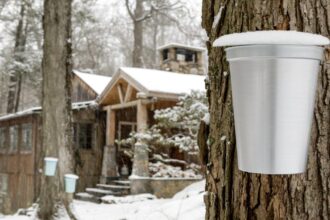
Lessons From My Maple Syrup Misadventure
I huddled in the dark wilderness listening to howling in the distance…

Welcome Back!