


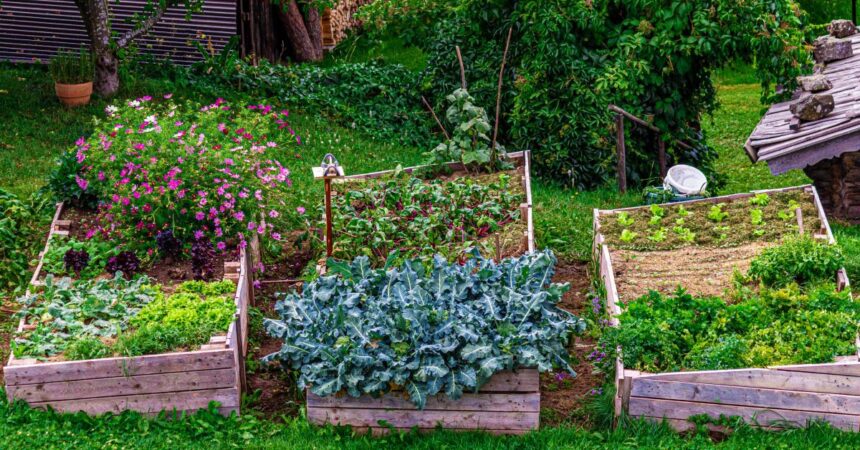
Most people think of acres of land, wide open spaces, barns, and animals grazing in the open when they think of a homestead. However, there is a growing number of homesteaders who are proving that being self-sufficient doesn’t have to take up a huge property. In both cities, suburbs, and small towns, individuals are converting small backyards, patios, and even apartment balconies into successful micro-farms, growing their own fresh produce, saving money on groceries, and reconnecting families to where their food comes from.
Homegrown food is transforming the vision of home farming. These small-scale growers are not about size, but efficiency, creativity, and sustainability. The result is a new generation of homesteaders yielding surprisingly large amounts of produce in surprisingly small spaces.
Micro-farming started for Jessica Martinez, a suburban Austin, Texas homeowner, with some tomatoes she grew in containers during the pandemic. Now, her backyard features raised beds, vertical trellises, a small greenhouse, and six laying hens. “Some folks think they can’t grow as much food upward as they can out,” she says. Though she has a small area, during the summer season, Martinez grows enough produce to cut her family’s grocery costs more than in half.
Micro-farms don’t necessarily have to be in suburban backyards. Portland, Oregon apartment dweller Marcus Lee has created a highly productive growing space in his 80 square foot balcony with hanging baskets, shelving and vertical planters. From herbs to a microfood production system. Lee picked over 100 pounds of cherry tomatoes from a few plants last year. “You don’t have to have acres and acres,” he says, “Homesteading is not about acreage.” “It is about intentional living, creating what you can, and removing the need for systems that you are not responsible for.”

What Is a Backyard Micro-Farm?
A micro-farm backyard is a very productive growing system that maximises food production in a limited space. The micro-farming approach thinks of each square foot as valuable real estate, unlike traditional gardening.
A micro farm can consist of:
- Raised garden beds
- Vertical growing systems
- Container gardens
- Composting stations
- Rainwater collection
- Small animals (as appropriate: chickens or rabbits)
- Aquaponics or hydroponics systems
- Educational and rewarding fruit trees and edible landscaping
Some micro-farms are found on a quarter-acre tract of land. Some have a small suburban backyard or apartment balcony that they use and run successfully.
It’s not always a matter of being entirely self-sufficient. Rather, it is producing food and value that is as much as possible with the space available.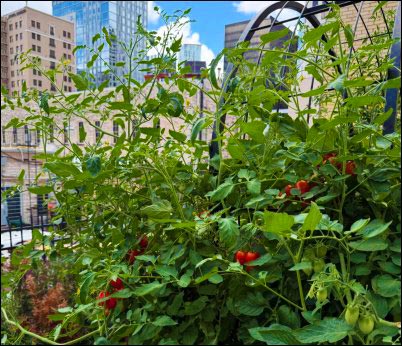
Why More People Are Turning to Micro-Farming
There are several reasons for the interest in small-scale homesteading.
Food prices remain volatile, and home-grown food is becoming more appealing. There’s also a strong desire for more control over diet and food production among many people. Some people are drawn to it because of the environment and wish to lessen their reliance on industrial food systems.
To some, micro-farming is even more precious, a feeling of resilience.
Educating about food gives hands-on skills and makes a connection to the natural world. Picking just a few tomatoes from a container on your patio can be a satisfying accomplishment that you don’t get anywhere else.
Maximizing Every Square Foot
Successful micro-farmers understand that space is often less important than design.
Grow Up, Not Out
One of the easiest methods of production increase is vertical gardening.
Trellises, wall planters, hanging baskets, and stacking containers are methods for growing plants that do not use up valuable growing room. Vertical gardening is suitable for cucumbers, peas, beans, squash, and many herbs.
Many times, a six-foot trellis will yield more food than several square feet of traditional garden bed.
Use Containers Strategically
Food can be grown in just about any place with containers.
Even tomatoes, peppers, lettuce, spinach, herbs, and even potatoes can grow in containers of the right size. Grow bags are also popular among urban homesteaders as they are easily portable and cheap to store.
It’s all about choosing plants compatible with the container and watering them regularly.
Practice Succession Planting
Many beginning gardeners harvest a crop and leave the space empty. Micro-farmers rarely waste that opportunity.
Succession planting involves replacing harvested crops immediately with new ones. For example, spring lettuce can be followed by summer beans, which can be followed by fall greens.
This approach dramatically increases annual production from a single garden bed.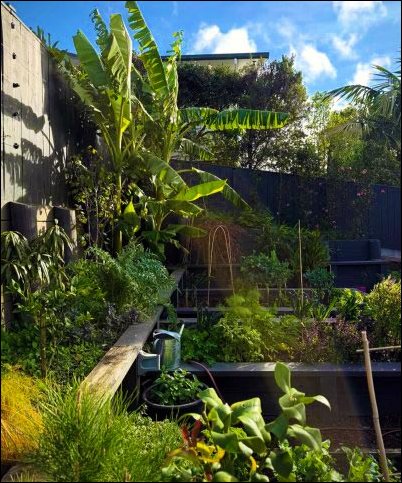
Small Livestock, Big Benefits
Small ruminants can be a valuable part of the micro-farm, where appropriate, by local ordinance.
The backyard chicken continues to be one of the most popular choices. A small flock can supply fresh eggs, control of insect pests, and manure for composting.
Being quite small, quail are becoming a growing favorite among urban homesteaders and are usually able to be raised in areas where chickens can’t.
However, it’s important to check local ordinances and neighborhood regulations before introducing animals.
The Power of Compost
One common characteristic of productive micro-farms is healthy soil.
Composting transforms kitchen scraps, leaves, and yard waste into valuable organic matter that improves soil structure and fertility.
Even small-space gardeners can compost using compact bins, tumblers, or worm composting systems.
By recycling nutrients on-site, homesteaders reduce waste while building healthier gardens.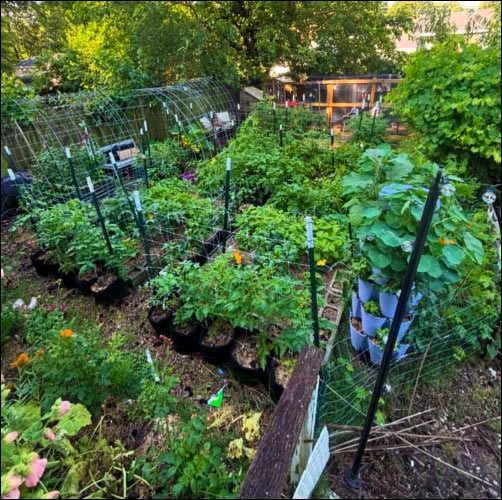
Water Smarter
Water conservation is becoming increasingly important for gardeners everywhere.
Many micro-farmers install rain barrels to capture runoff from roofs and sheds. Others use drip irrigation systems that deliver water directly to plant roots, reducing waste and improving efficiency.
Mulching around plants also helps retain soil moisture while suppressing weeds.
Small adjustments can significantly reduce water consumption throughout the growing season.
Lessons from Successful Micro-Farmers
Experienced micro-farmers often share similar advice for beginners.
Start small.
Many newcomers attempt to do too much in their first year and become overwhelmed. A few raised beds or containers provide plenty of opportunities to learn without creating unnecessary stress.
Focus on crops your household actually enjoys eating.
Growing exotic vegetables may sound exciting, but the most productive gardens are often built around everyday favorites like tomatoes, lettuce, peppers, herbs, and beans.
Finally, expect mistakes.
Every gardener loses plants. Every homesteader encounters challenges. The most successful growers view setbacks as opportunities to learn rather than reasons to quit.
Think Small, Harvest Big
The modern homesteading movement is proving that meaningful food production doesn’t require a large farm or extensive acreage.
With thoughtful planning, efficient use of space, and a willingness to experiment, even the smallest property can become a productive source of fresh food and practical skills.
The backyard micro-farm isn’t simply about growing vegetables. It’s about reclaiming a measure of independence, building resilience, and discovering that abundance can thrive in places many people overlook.
In a world where land is increasingly expensive and space is often limited, that may be one of the most valuable lessons of all.