


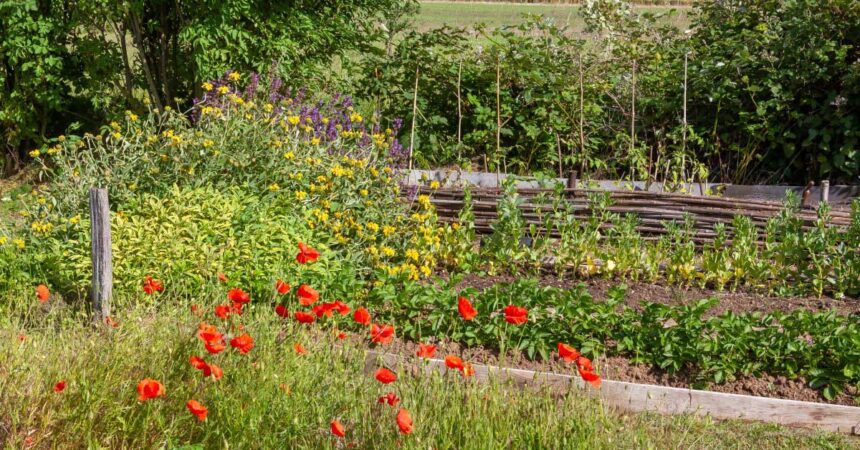
Growing your own food has always been a priority for homesteaders and it is becoming increasingly important today, regardless of the amount of land we have to do so. Growing at least a portion of your food provides a measure of food security and ensures you and your family are consuming nutrient-dense, chemical-free food. Because of this, we want to be able to grow as much food as possible in the space we have available. There are simple things you can do that will result in a healthy and highly productive garden.
Growing a high-yield garden is simply a matter of utilizing your space effectively while providing optimal conditions for the plants you are growing from the right seeds.
Seeds
Start your garden with high-yielding varieties (HYV). Through selective breeding procedures, these seeds have an increased yield, increased disease resistance, and efficient nutrient utilization. They are available for perennial and annuals, and the seeds can be collected at the end of the season, saved, and planted the following year.

Garden Prep
Where you place your garden is the first important decision you will make. Plants are healthier and more productive when they receive plenty of sunlight and water. Your garden should be in the area that receives the most sunlight each day. If you are lucky, this site will be located near a water source. If not, installing a simple drip irrigation system will do wonders for your yield.
Once you have your garden site ready, amending the site with compost is the next thing you can do to improve yield. Compost has proven benefits for the health and yield of gardens, including providing as much as two weeks’ worth of moisture to root systems, even in dry conditions, preventing erosion, and holding nitrates around the root system. Nitrates are a vital source of nitrogen which is important for plant growth and development.

Planting Techniques
There are several planting techniques to increase yield. The first is succession planting. Succession planting only means you will stagger the plantings instead of planting seeds once and harvesting them once. The following list is an example of how to stagger particular crops:
- Leafy greens: Sow seeds every two weeks until a month before the first frost date.
- Radishes: Sow every 1-2 weeks until a month before the first frost date.
- Carrots: Beginning as soon as the soil can be worked, sow every three weeks until mid-July.
- Cucumbers: Plant at six-week intervals until six weeks before the first frost date.
- Bush beans: You can plant bush beans every two weeks until eight weeks before the first frost date.
- Turnips: As soon as the soil can be worked, plants turnip seeds every 2-4 weeks until six weeks before the first frost date.
- Scallions: plant every two weeks from spring until the end of summer.
Succession planting ensures you have a continual harvest, instead of the feast-or-famine scenario gardens can be known for.
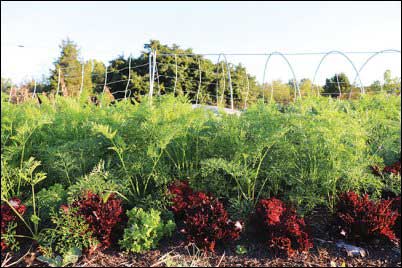
Vertical gardening is another technique that significantly increases yield by maximizing available space. Vertical gardening is planting up instead of out. Of course, container gardens and hanging planters are the first things that come to mind, but vertical gardening can be taken into the garden as well. Build trellises and vertical growing surfaces for cucumbers, beans, tomatoes, and squash. Not only does vertical gardening increase your garden space, but it also provides your plants more access to sunlight and airflow, which makes healthier plants. Vertical gardening makes harvesting easier as well, as there is no bending or kneeling. This makes vertical gardening an excellent option for older folks, as well as homesteaders who are working with a physical disability.
Interplanting is the next gardening strategy to employ. Interplanting is when we plant different varieties in the same area and allow them to work synergistically. An example of this technique is to plant lettuce or other leafy greens between pole beans. As the weather warms, the beans provide shade and temperature control for the leafy greens.
When you are deciding what to plant together, make sure they have similar water and soil preferences. You also need to consider the root systems. Plants with different root systems will not need to compete for resources. Broccoli, cabbage, lettuce, and spinach are examples of plants with shallow roots. Cucumbers, summer squash, carrots, turnips, and peas have medium root systems; parsnips, winter squash, and tomatoes have deep root systems.
Research companion planting as you are choosing the plants for your garden. Certain plant combinations deter insects, increase flavor, and attract beneficials. Usually, but not always, vegetables that are traditionally used together in food, such as tomatoes and basil, are good companions in the garden.
Another interplanting tip is to avoid planting crops that are in the same family side by side. This will help prevent a pest from destroying an entire row of plants overnight.

Protection
Finally, you can protect your hard work by mulching your garden beds. Mulching allows your plants to focus their energy on growth and production by conserving moisture, regulating soil temperature, and suppressing weeds. Apply mulch carefully around young plants, and continually add mulch as the plants grow.
Protecting your garden to increase yield also includes the use of season extenders, which are simply a way to protect your plants from weather. To get an early start, you can warm your soil with black plastic, use hotbeds, or simply start plants indoors. On the other side of the season, you can build inexpensive tunnels or makeshift greenhouses over your existing plants inexpensively.
Whether you are growing food to provide for your friends, family, and community, selling excess produce at a farmer’s market, or running a full-fledged CSA, increasing the yield of your garden is a goal worth working toward. A goal that yields such terrific rewards is often expensive and complicated, but high-yield gardening is neither. With some basic planning on the front end, and good organic amendments and protections, the high-yield garden is actually less complicated and less expensive than the garden that struggles and sputters.
