


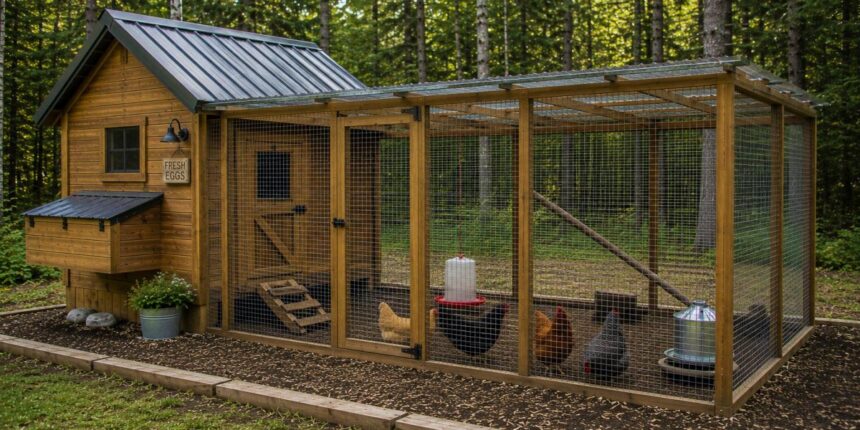
When we purchased our homestead, chickens were always part of the plan. In fact, we fully expected to have chickens during our first year on the property.
Like many aspiring homesteaders, getting chickens was the logical starting point. Fresh eggs, insect control, and a manageable flock size seemed like the perfect introduction to owning our own animals.
Then reality stepped in.
The more we learned about caring for chickens responsibly, the more we realized we weren’t quite ready yet. That may sound strange in a world where chickens are often marketed as the easiest livestock for beginners. If you spend any amount of time in homesteading groups or online forums, and you’ll quickly find advice telling newcomers to “just get a few chickens.”
The problem is that chickens aren’t decorations. They’re livestock. And if you’re serious about animal welfare, that distinction matters.
Everyone operates their homestead differently. There is no single right way to raise animals. In our case, we wanted to create the best and most natural life possible for our livestock before asking them to provide food for our family. That meant building proper infrastructure, developing predator protection systems, understanding seasonal challenges, and educating ourselves before bringing animals onto the property.
As a result, we made a decision that surprised many people. We postponed getting chickens. Not because we didn’t want them. Because we wanted to do it right.
That process taught us something important: chickens may be among the most rewarding animals a homesteader can own, but they may not be as simple as many people are led to believe.
Let’s look at a few of the biggest myths surrounding backyard chickens.
Myth #1: Chickens Are Cheap
The phrase “cheap as chickens” has probably convinced more than a few aspiring homesteaders that poultry is an inexpensive hobby.
The reality can be very different.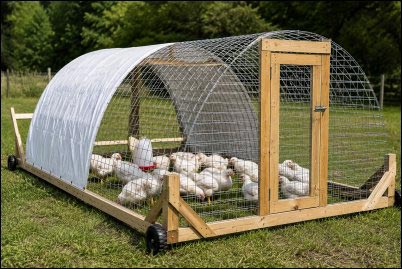
The cost of your setup depends heavily on your goals. A small flock of laying hens has different housing requirements from a group of meat birds. Layers need a secure coop, nesting boxes, roosting bars, and protected outdoor access. Meat birds often require movable chicken tractors and rotational grazing systems.
Then there’s everything else:
- Feeders.
- Waterers.
- Bedding.
- Fencing.
- Predator protection.
- Medical supplies.
- Replacement equipment.
- Winter preparations.
The list grows surprisingly fast.
There are certainly ways to reduce expenses. Building a DIY coop can save thousands of dollars. Mixing portions of your own feed, fermenting grains to stretch feed supplies, and growing supplemental forage can all help lower long-term costs.
But even the most resourceful homesteader should expect a significant upfront investment before the first egg ever appears in a nesting box.
For us, that realization became one of the reasons we delayed bringing chickens home. We wanted the infrastructure in place first, rather than scrambling to build it after the birds arrived.
Myth #2: Chickens Take Care of Themselves
This one always makes me laugh.
Somehow, chickens have developed a reputation as low-maintenance livestock. Anyone who keeps chickens will likely tell you otherwise.
Do automatic feeders help? Absolutely. Can automatic watering systems save time? Without question. But those systems don’t replace daily management.
Chickens still require daily health checks. Feeders need cleaning. Water systems need monitoring. Coops need maintenance. Eggs need collecting, and bedding needs replacing.
A responsible chicken owner is constantly observing the flock.
We are ready for small issues that may become major problems surprisingly quickly. We fully expect our future flock to become part of our daily routine. Not because we have to, but because good livestock management requires consistent attention.
Chickens aren’t a weekend hobby. They’re a daily responsibility.
Myth #3: Predators Are Someone Else’s Problem
One thing we’ve learned from living in a remote area is that wildlife pays attention when food becomes available. Your property may feel predator-free today, but add chickens, and that equation changes quickly.
Predators are remarkably good at discovering opportunities. Depending on where you live, your list of concerns may include foxes, raccoons, weasels, coyotes, hawks, owls, dogs, bears, and countless other opportunists.
For some homesteads, a secure fenced run may be sufficient. For others, including ours, predator protection requires something closer to a fortress.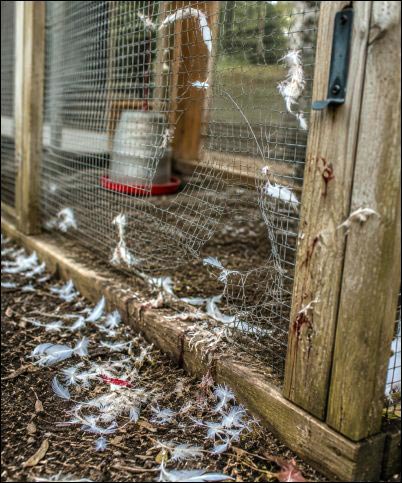
We designed our chicken area to be protected from every direction. Side protection. Ground protection. Overhead protection from birds of prey. Secure doors and latches. Buried barriers to prevent digging predators. Because ultimately, keeping livestock safe is our responsibility.
The predators aren’t doing anything wrong. They’re simply being predators. It’s our job to create systems that protect the animals under our care.
Myth #4: Winter Is Just Another Season
Here in Northern Ontario, winter isn’t a season. It’s practically a lifestyle. We spend much of our summer preparing for it:
- Firewood needs processing.
- Buildings need maintenance.
- Equipment needs servicing.
- Access routes need planning.
- Livestock systems need winterizing.
For us, winter routinely lasts five months or more. That’s a very different challenge than keeping chickens in a mild climate. Frozen water systems can become a daily battle. Egg production often declines. Deep snow will affect your movement and access. Predators become more desperate as the winter drags on. A chore that seems inconvenient in July can become a dangerous mistake in January. That’s why winter planning starts long before the first snowfall.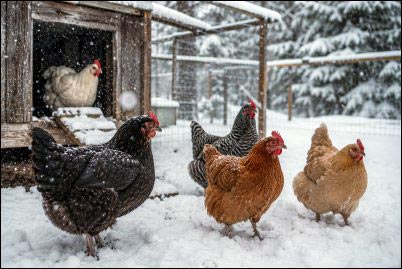
Myth #5: Every Chicken Breed Is Basically the Same
When you walk into any farm store, you’ll quickly discover that chicken breeds come in an incredible variety of sizes, colors, temperaments, and purposes.
Every homestead has different goals. Some prioritize egg production. Some prioritize meat. Some want dual-purpose birds, and some simply want friendly backyard companions.
The key is matching the bird to the environment and your objectives. If you live in a northern climate, cold hardiness should be near the top of your priority list. Researching breeds before purchasing birds may not be the most exciting part of chicken ownership, but it can dramatically improve your chances of growing a successful and happy flock.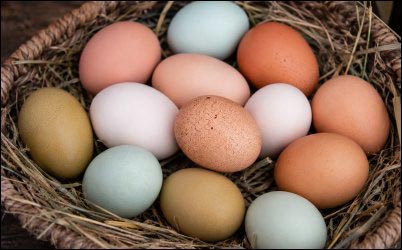
The Reality Behind the Coop
After all this research, are we still excited about getting chickens? Absolutely. In fact, we’re more excited than ever.
The purpose of this article isn’t to discourage anyone from raising poultry. It’s to encourage realistic expectations.
Chickens offer fresh eggs, entertainment, fertilizer, insect control, and a closer connection to your food system, but they require more planning and daily care than beginners often anticipate.
The good news is that none of these challenges are reasons not to get chickens. They’re simply reasons to prepare. Sometimes the best decision a new homesteader can make isn’t to rush to bring animals home, but to take the time to build the systems, knowledge, and infrastructure that will allow those animals to thrive when they finally arrive.
That’s the path we chose.
And while our chickens may be arriving later than originally planned, they’ll be arriving at a homestead that’s ready for them. In the long run, that’s a delay we’re happy to accept.