


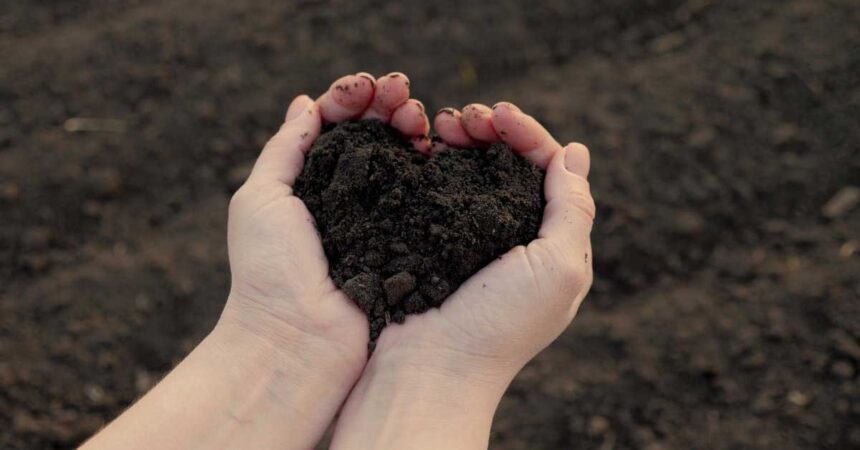
Some of us regard dirt in our homes as something unwelcome. In fact, some folks spend time sweeping and vacuuming dirt away. It is not only a nuisance, but it is a health hazard in some cases.
As homesteaders and producers, we have a different outlook on the importance of dirt or soil. Our crops begin in the soil. But crops often need some help with conservation measures. The word soil has much greater meaning and importance when we consider its role in successfully raising crops. Soil, necessary for our survival on earth, is an ecosystem of nutrients and living organisms on our farms and ranches. It provides structural support, water, and nutrients for crops. The top layer of soil is even more valuable and must be conserved at all costs.

What Is Healthy Soil?
“A handful of soil has more organisms than the total number of humans that have ever lived.” Healthy well-maintained soil, containing elements like sulfates, phosphate, zinc, magnesium, calcium, and many more, is a great asset to agricultural production. Of course, healthy soil relies on many factors. One authority revealed that, in her opinion, there were no bad or good soils. This may be interpreted to mean that certain soils are better suited to certain weather conditions and crops.
Indeed, there is seldom “one-size-fits-all” soil. In other words, different kinds of soil are suited to different plants requiring different nutritional needs.
What Harms the Soil?
Another problem is that many actions in working the soil can cause damage to it. Soil layers are significant for soil microbiology, soil fertility, and different organic matters that have become polluted from industrial and even agricultural activities. Some damages are easily overcome; others take years to correct.
Harming Soil on Homesteads
There is no magical formula for avoiding damaging the soil on your homestead. However, some steps can be taken to work with the soil to minimize the damage. Crop rotation; choosing adapted varieties; legume cover crops included in rotation; tillage; weed control; and other factors are vital in good soil management.
Saving Your Soil with Crop Rotation
Crop rotation—a way to boost yields—is growing a series of different types of crops in the same areas during several growing seasons. It is growing a succession of the three general classes of farm crops: cultivated crops, grain crops, and grass crops. This practice reduces reliance on one set of nutrients, pest and weed pressure, and the probability of developing resistant weeds.
Growing the same crop on the same soil year after year depletes the soil. A neighbor unaware of crop rotation raised corn on one field for years. Finally, the corn grew about three feet high with few ears. I doubt if it was worth harvesting.
The Dangers of Compacted Soils
Healthy soils don’t need vast amounts of harmful chemicals, or harbor parasites or weeds. Adversly, in addition to all of those contributors, runoff also affects unhealthy soil.
One farmer looked at his soil water infiltration. After the alfalfa was cut, there was a lot of runoff after rain. He was surprised at how the runoff into that cover crop filtered out and was absorbed into the soil. The reason for this, in his case, was the presence of earthworms. He was surprised how quickly the worms multiplied, and how they affected the soil’s ability to absorb water.
Understanding Your Soil
Once your soil is evaluated and understood, its needs can be met because they are obvious. Understanding your soil also means knowing more about possible restrictions on that soil as well as its advantages.

Maintaining Fertile, Productive Soil
Maintenance of fertile, productive soil is the first requirement of prosperous and permanent agriculture. Today, many farmers have discovered the value of terraces and are protecting the soil structure in their fields with them. Terraces prevent erosion by shortening a long or steep slope into a series of shorter steps. Terraces reduce the velocity of water moving across a field while retaining water instead of allowing it to run off, taking soil with it and causing ditches. So, it is true that terraces are noted for their usefulness in saving soil and water.
Because much of the soil has been laid bare and cultivated crops have removed organic matter, some agricultural lands have been made vulnerable to all kinds of damage from wind and water. In some cases, even heavy farm implements must take the blame for damaging soil.
Compacted soil is especially vulnerable to damage. Traffic, increasing the probability of compaction, is often responsible for soil that is packed so hard it will not soak in rainwater. This leads to flooding and erosion. In some cases, decreased tillage aids in solving this problem. Additionally, limiting the passage of trucks, tractors, and other heavy machines will lessen compaction.
Soil health to homesteaders means building and protecting biological diversity to grow healthy high-yielding crops. Any practice that reduces the productivity level of that land will affect the farm family’s livelihood and those who depend on farmers to produce food. Healthy soil is the key to feeding nine billion people by 2050.