


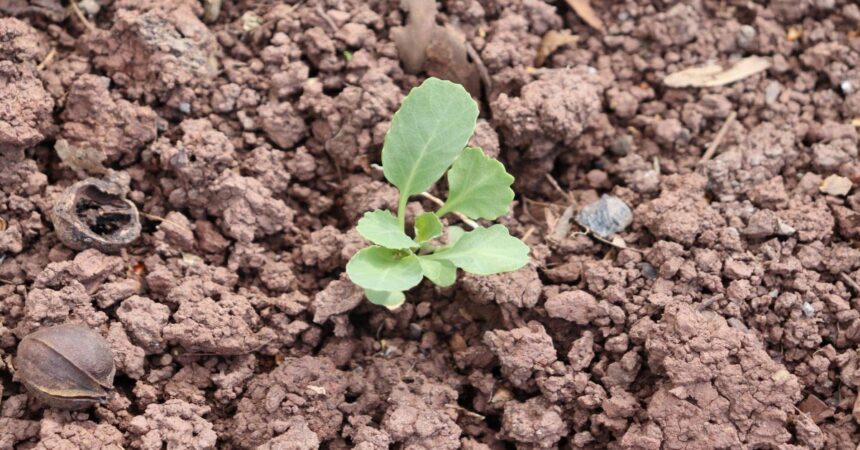
Heavy clay soil is common throughout much of the United States, including the Southeast, Northeast, Midwest, and parts of the Great Plains, Southwest, and California. While it has many benefits, like its exceptional nutrient and water-holding capacity, vegetable gardening in clay soil can be a challenge. Heavy clay soil can be difficult to work, prone to compaction, slow to warm up, and have poor drainage. Thankfully, there are many affordable ways to amend and improve clay soils for more successful harvests. Here are seven ways you can improve your clay soil.
Sow Cover Crops
Homesteaders and small farmers, who need as much space in production as possible, often overlook cover crops. However, they can be a great, affordable way to add organic matter and improve clay soil. There are many cover crops, and all have unique pros and cons.
Buckwheat
Buckwheat is one of the best cover crops for adding tons of organic matter. It’s a warm-season crop that grows quickly. You can terminate or cut about 6 weeks after planting. For the best soil nutrition, cut it about 7 to 10 days after flowering, but before it goes to seed unless you want it to self-sow. Once cut, you can transplant directly into the bed and use the buckwheat as mulch.
Daikon Radishes
When gardeners think about how to break up compacted clay soil, they often think about garden forks or tillers, but these plants will do the heavy lifting for you. Daikon radishes produce strong, large roots that will bust hardpans and break up compacted clay soil. As they rot, they add organic matter and create pockets for air and water to seep into the soil. In many climates, they’re a great winter cover crop.
Clover
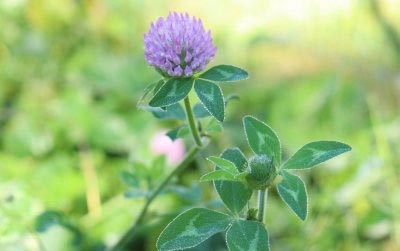
White, red, and crimson clover are among the best-known cover crops. They produce a prodigious amount of organic matter and are nitrogen-fixing legumes. This means that they have a beneficial relationship with bacteria, allowing them to pull nitrogen from the air and into the soil where it becomes usable for other crops. The best time to plant clover will depend on the variety and your USDA gardening zone. You can sow clover in late summer and fall or in very early spring.
Rye
Rye is another great cover crop for breaking up compacted beds. Its extensive root system helps break up hardpans and improve soil structure. It also adds potassium, phosphorus, and organic matter to the soil. Usually, I recommend sowing rye in the fall as a winter cover crop and terminating it in spring.
Winter Wheat
Winter wheat is an excellent cover crop choice for adding tons of organic matter to the soil during the off-season. As the name suggests, winter wheat is best sown in the fall as a winter cover crop. In spring or early summer, you can cut the wheat and have a natural straw mulch to transplant other crops into.
Use Organic Mulch
Another affordable way to lighten clay soil is to use organic mulch. Organic mulches like leaf mold, wood chips, pine needles, straw, hay, and grass clippings do triple duty in the garden. While in place, they help keep the soil cool and moist and prevent weeds. As they break down, they add organic matter to the soil, which helps lighten heavy clay, providing better drainage and making it easier to work.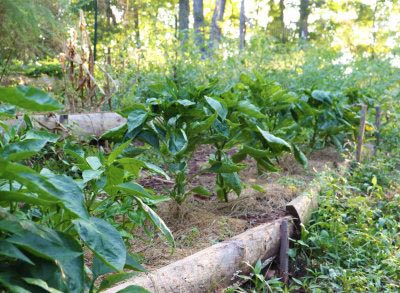
Produce Your Own Compost
Compost is probably the best organic matter for clay soil. It is also among the most affordable. You can create a DIY compost for clay soil right at home.
To make compost, you need a simple bin or even just a designated location. Then you can start collecting materials. When we think about compost, we think about “green” or nitrogen-rich materials and “brown” or carbon-rich materials. To make compost, you want a 1:1 ratio of these.
Green materials include items like:
- Vegetable and fruit scraps
- Grass clippings
- Coffee grounds
- Weeds
- Livestock manure
Brown materials include items like:
- Fallen leaves
- Hay or straw
- Brown cardboard or shredded paper (non-glossy)
- Wood chips or sawdust
- Corn stalks
The larger the pile you’re able to build, the better. A larger pile will create heat and break down more quickly. To maintain your compost for faster decomposition, turn it with a pitchfork every few weeks. Water the pile during dry spells, keeping it moist but not water-logged.
Add Amendments
Clay soil pH may vary with region. In much of the Southeast, clay soils tend to be acidic, while clay soils in the Midwest are typically neutral to slightly alkaline. As pH also plays a critical role in plant health, it’s important to get your soil tested and amend it accordingly. Most vegetable crops thrive in soil that’s slightly acidic to neutral, with a pH between 6.0 and 7.0. If you have acidic soil, you may need to use an amendment like lime to raise the pH, while if you have alkaline soil, you may need to lower the pH with an amendment like sulfur.
While compost may be the single best organic amendment for lightening heavy clay soil, some gardeners may also have good luck with gypsum. In sodium-rich clay soils, particularly those west of the Rockies, the calcium in gypsum can replace sodium ions and break apart dense clay particles, improving drainage.
Do not add sand to clay soil. Unfortunately, this gardening myth has gone around on the internet: sand will lighten your clay soil and allow it to drain better. In reality, sand mixed with clay will harden to a near brick-like substance.
Avoid Compaction
Heavy clay soils are prone to compaction. This is when soil particles are compressed together, reducing the pore space that allows air and water through. Machinery, heavy foot traffic, or intense rain on bare soil can all contribute to compaction.
To minimize soil compaction in your garden, try to stay out of your growing areas as much as possible. A great way to do this is to use permanent beds; they don’t need to be raised, just permanently outlined beds with mulch pathways between them. Staying out of your garden is especially important when the soil is wet, as it’s more prone to compaction at this stage. Using mulches or cover crops like those mentioned above can also reduce compaction from rain.
Use No-Till Agriculture
Another way you can help avoid compaction and soil disturbance is to switch to no-till agriculture. Folks often see tilling as a quick solution to heavy soil, as it breaks it up and makes it more manageable for planting, but some studies have shown that over time, it has the opposite effect. Tilling can disturb natural soil layers, compact soil, and kill beneficial insects, microorganisms, and fungi.
No-till experts like Charles Dowding recommend no-till for clay. Adding organic matter to the surface of heavy clay soils can be a great way to improve them. It encourages soil life, like fungi and earthworms, to move through the soil, naturally breaking it up and aerating the ground.
Raised Bed Alternatives
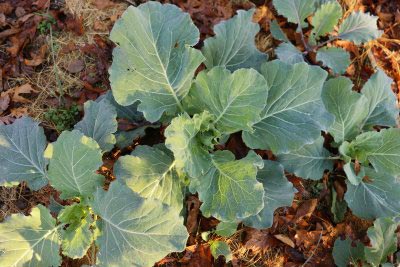
While there are vegetables that grow in clay soil, like pole beans and cabbage, other more sensitive crops, like garlic and carrots, can fail to thrive. Garlic and other alliums hate having wet feet and need good drainage. Carrots and other root crops need loose, soft soil for full root development.
If you want great harvests of clay-sensitive crops right away, you can add raised beds to your garden and fill them with compost or garden soil from a nearby dealer.
Heavy clay soil can be a challenge for vegetable gardeners, but there are many ways to improve it. Using some of these techniques will help you add organic matter, lighten your soil, and improve drainage.