


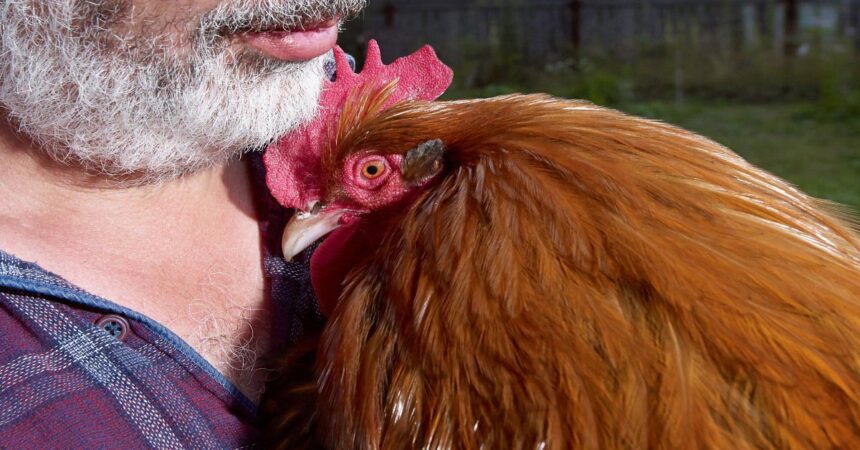
If you have ever raised chickens with the intention of pets, you have likely experienced the joy of forging a bond, only to discover the heartbreak of rejection the second you moved them to their coop.
This textbook scenario is the very reason many chickenkeepers give up on a flock of cuddly pet chickens and settle for the usual transactional relationship: food and lodging in exchange for eggs.If this is your experience, I’m here to assure you that it is perfectly possible to transform a standoffish flock into a highly friendly one.
Even if you have no desire for pet chickens, but are a homestead reliant on chickens to sustain your family, it cannot be overstated how valuable it is to have a flock that trusts you.
In the event of injury or illness in the flock, or the need to sell or relocate a chicken, your own sanity and the chicken’s frayed nerves will benefit from a little trust.
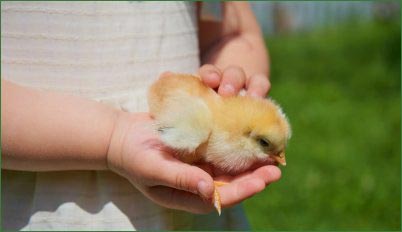 Forging a bond with your flock at the chick stage could not be simpler. Like any relationship, you’ll be investing time.
Sit with them in a contained play area where they are free to explore and grow accustomed to your presence.
Pick them up periodically throughout the day. Do so gently, never squeezing or making them feel restricted. If they are distressed, open your hands and allow them to hop out.
Keep your hand firm enough not to drop them, but loose enough that they do not feel you are restraining them. You may want to allow them to stand in your hand and shelter them with the other. This is a good way to not only show the chick that she is safe and in control, but you also begin truly stepping into the role of the mother hen.
If the chicks were to be raised by a hen, the hen would be the place of safety from any dangers and cold. They would gather under her wings, knowing they are completely safe.
By gently placing your hand over them, like a mother’s wing, you are telling them, “I am a safe place”.
This is, of course, the easy part.
But what happens when your flock becomes a group of hormonal teenagers, and they are upgraded to new living arrangements, where they so much enjoy their freedom that they forget all about the lovely bond you so carefully cultivated, only for them to never call or write, and for all intents and purposes, you cease to exist in their lives?
Joking aside, moving house is stressful. And stressed-out chickens will restructure the pecking order in the interest of survival. This usually results in editing out of the ranks the loving chickenkeeper who did not move house with them.
But this does not mean that all of your efforts were in vain. They have not forgotten you, nor your bond. Chickens are highly intelligent and scientifically evidenced to be empathetic and capable of love.
But they will need to be reassured that you are the same place of safety and you aren’t abandoning them.
The day after you move them into the coop, do not become discouraged with their suddenly sittish or aloof behavior. Resist the urge to chase after them. This will be seen as aggressive and result in a knee-jerk flight response.
Chickens are prey animals, so it is vitally important that they feel safe and in control. View it from their perspective.
The ancestors of our backyard flocks grew up in harsh jungle environments with no shelter and very little defense against every creeping thing in the shade of the trees that had the taste for chicken.
Even now, there are many dangers for the backyard flock. While the lucky chickens of Hawaii may have very little to worry about, the dangers in my area include owls, hawks, eagles, weasels, coyotes, neighborhood dogs, foxes, raccoons, possums, skunks, and bears.
They have every reason to lead with mistrust. They can’t afford not to be scanning for danger.
But that makes you especially valuable to them. You can be their safe place. You can be the trusted protector that they rely on.
The key to showing them that you are not out to harm them is to establish yourself as a non-aggressive mainstay of their environment, and avoid any behaviors that their predators would do, such as chasing and squeezing them.
If you need to quickly gather up your chickens, do not chase them, and keep your emotions even. If you are stressed, they will be too.
The following information is applicable regardless of whether the birds you are hoping to establish a friendly relationship with are hormonal pullets you raised or full-grown chickens that you have adopted.
Spend time in the run with them, or in the yard where they free range. Be a safe, calm fixture in their environment.
Rather than simply throwing their chicken feed to them, maybe strew some enticing snacks around where you are sitting. Chickens are highly food-motivated, so they will probably be willing to get closer to you, but don’t interact with them at first.
Show them that you are safe and you are not out to eat them. Over time, the boldest of the birds will likely dare to jump into your lap. And once one has broken the ice, the queens of FOMO that chickens are, the others will follow. Just give it time.
Especially skittish birds may require more time to decide you are safe. This is okay, give them time. Give them patience. Bonds are not formed in an instant.
Pick your chickens up periodically over time. If a hen does not feel she is held securely, she may squirm. Try holding her in a different way that makes her feel safe and secure. If a hen is reluctant to be picked up, what you learned about holding baby chicks applies to grown hens. Allow her to stand in your lap and hold her with a relaxed grip that she understands she has the full ability to leave if she chooses. Over time, your flock will be running up to you, not just for treats, but for hugs.
That is all to say, the secret to cuddly chickens is, unsurprisingly, trust. Trust: the cornerstone of any healthy relationship.
With that in mind, even if your strategy for establishing it differs, you can reach a great bond with your flock. Remember to consider how a chicken would view your behaviors and be patient with them as they weigh you against their instinctual scrutiny.
Chickens are, in my mind, some of the finest pets available, and I firmly believe that everyone, everywhere should be able to keep chickens, and maybe someday, it could be a reality. Whether you want to keep chickens for your homesteading needs or you just want a delightful flock of birds for pets, chickens are up for the task.