


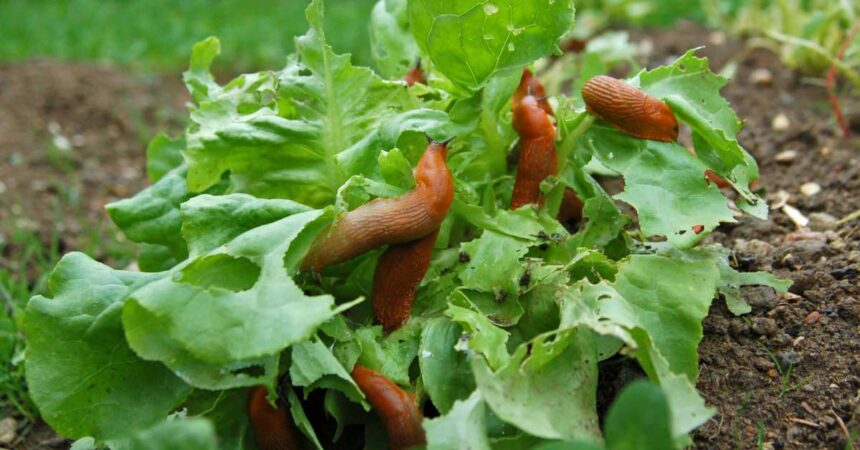
One of the factors that heavily influenced our decision to start homesteading was the desire to grow our own food organically. We wanted to grow food that was free from harmful and synthetic chemicals, and that would nourish our bodies without depleting nature’s resources. So, the journey towards organic gardening began. We learned how to make compost, feed the soil, plant our seeds, and everything that guaranteed healthy and natural crops. In no time, our plants were flourishing and bursting with life and energy. This, however, started attracting all sorts of pests to our garden. As it turned out, we weren’t the only ones who loved the rich taste of organic food.
A pest is any destructive organism such as an insect, animal, or fungus that is considered harmful to plants, livestock, and food. Due to their destructiveness, many people would rather get rid of them in the most efficient way. However, some pests are beneficial to our ecosystem. They act as pollinators, food sources for other animals, decomposers, and soil aerators. We therefore chose to find control methods that were less harmful to these insects and animals as well as to our soil and plants.
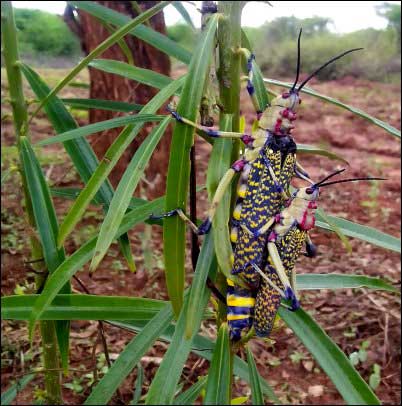
The most common pests we encountered in our garden were aphids, whiteflies, caterpillars, weevils, borers, rodents such as mice and rats, birds, mites, and fungal pests such as powdery mildew, and rust. In this article, I’ll be sharing with you the methods we’ve been using to identify, control, and prevent pests in our garden.

Inspecting Your Garden
Identifying pests early ensures they’re dealt with promptly. To do this, inspect your garden regularly, checking for chewed leaves, irregular holes in leaves, and damaged fruits. Look under the leaves to see if there are any webs, which are an indication of spider mites. Tunnels on the stems may mean that you have borers. If the leaves on your plant are turning yellow or wilting, then you likely have sap-sucking pests such as aphids.
Try and see if you can also physically spot some pests. Look out for small insects or larvae on the leaves. Check around the soil to see if there are any slimy trails from snails and in case you see a sticky substance on your leaves then you have sap-sucking pests such as aphids.
Make sure you also observe the behavior of your plants. Very slow or stunted growth could mean that something is attacking your plants. Premature abortion of flowers in most cases is caused by thrips.
Handpicking
So, you’ve inspected your garden and noticed that you do have pests. If the pests are larger and visible, try and see if you can handpick them. Larger pests such as caterpillars and slugs can be picked and relocated elsewhere. Do this very early in the morning when they are less active and remember to use gloves for your safety.
Prune Affected Plants
Remove any affected leaves on your plants. This especially applies to plants affected by aphids, spider mites, thrips, and other widely-spreading pests. Prune the leaves, and collect any fallen fruits or leaves that may act as a hiding place for pests. Clean up well to make the environment less favorable for the pest.
Homemade and Natural Pesticides
After identifying your garden pests, removing the larger and visible ones, and pruning your plant, you can now make a natural pesticide to spray on your plant. Below are some natural pesticide recipes that have been working for us.
Soap Spray
A soap spray is simply made by mixing 2 tablespoons of liquid soap with 1 liter of water. As basic as it may sound, soap destroys the outer coat of pests, thereby dehydrating and killing them. Thoroughly spray the mixture on your plants including the lower parts of the leaves. Rinse off the soap by spraying clean water after about 4 hours to avoid damaging your plant.
Neem Spray
The neem tree is one of those super trees that have multiple functions. In my country, Kenya, the tree grows really fast and thrives even in shallow and stony soil. The tree has great timber, the leaves are used for medicinal functions, and the seeds are used to make both homemade and commercial pesticides.
To make neem oil, we use a mortar and pestle to grind well-cleaned and dried neem seeds into a fine powder (you can also use a grinder). We then add a little water and let it soak for 24 hours. using a piece of cloth, we squeeze out all the liquid, and voila, we end up with organic and homemade neem oil. We store the oil in a container and away from direct sunlight.
To make the spray, mix 2 teaspoons of neem oil (you can also use store-bought) with 1 liter of water. Add 1 teaspoon of liquid soap and shake thoroughly. Spray the mixture on your plant in the early morning. Keep in mind that oil and water separate quickly so ensure you constantly shake the mixture.
Neem oil is one of the best homemade natural pesticides for vegetables. It contains a compound known as azadirachtin. The compound disrupts the life cycle of pests by preventing the larvae from proceeding to the next stage. It also works by repelling insects. When adult pests taste the compound, they also lose their appetite thereby starving themselves.
Garlic Spray
Blend 1 head of garlic with 2 cups of water. Allow the mixture to sit overnight. Sieve the mixture and dilute the liquid using 2 liters of water. Spray on your plants once a week. Garlic’s strong smell masks the natural scent of plants thereby repelling pests such as aphids and caterpillars.
Chili Pepper Spray
Chili pepper spray is one of the most widely used pest control sprays by organic farmers. The capsaicin in chilies irritates chewing pests such as caterpillars thereby repelling them.
Mix 10 chili peppers with a little water, blend, and strain the mixture. Add a teaspoon of liquid water, and spray on your plants ensuring every part of the plant is reached.
Baking Soda Spray
Baking soda is used in the control of fungal diseases such as powdery mildew. To make the mixture, add 1 tablespoon of baking soda, 1 tablespoon of vegetable oil, and 1 teaspoon of liquid soap to 1 liter of water. Mix thoroughly and spray on your plant.
These natural sprays work best if repeated after 7-10 days. In case you’re concerned that one of these recipes may harm your plant, try testing it on a smaller area and observe for a couple of days.
Other than pest control methods, we also have preventative measures that decrease the likelihood of pests attacking your garden. Some preventative measures you can take are:
- Maintaining a clean garden: Ensure your garden is free from weeds, fallen and diseased leaves, and infested fruits.
- Practicing crop rotation: Rotating your crops prevents the building up of soil-borne pests.
- Avoid overwatering: Excessive moisture creates an ideal breeding ground. Water your garden until it is moist and not drenched.
- Creating barriers: Sprinkling crushed egg shells on the edge of your garden makes it hard for snails to access your plants. Dry mulch equally gets the same job done.
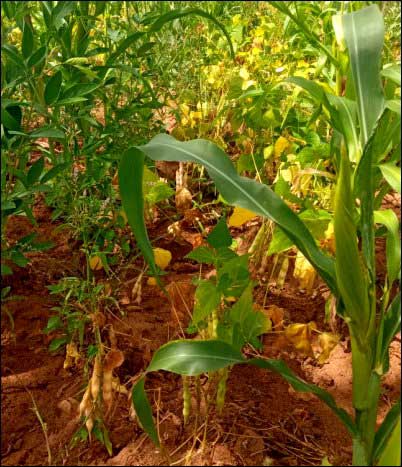
- Practicing companion planting: Companion planting is growing certain plants together to either repel pests, attract beneficial bugs that feed on pests, or promote plant growth.
- Grow garlic, onions, marigolds, or basil to repel pests. You can plant rosemary, thyme, and sage in your garden to mask the natural scent of your plants which attracts pests.

Conclusion
When we take care of Mother Nature, she takes care of us. She nourishes us with rich and tasty food, pours rain upon us, and gives us fresh and unlimited air to breathe. In return, she asks that we show our appreciation by caring for her and the entire ecological system. She expects us to protect, preserve, and honor the blessings bestowed upon us. Pesticides have been proven to have negative effects on the environment, non-targeted organisms such as bees and birds, and human beings. Rather than fight against nature, we’ve to partner and work alongside her to ensure that I play my part in enriching and preserving her gifts. So that many generations to come may continue to benefit just as I have.