


Ah, summer. Flowers are bursting into full bloom. Children are delighted to be out of school. That bronze tan you’ve missed for a year is peeking through your clothes again. For humans, what’s not to celebrate?
On the other hand, many plants start to stress this time of year. Yes, some thrive in heat: rosemary, sage, cornflowers, and bee balm, to name a few. Others, however, require special care (or to be retired completely) in the sweltering months.
This article covers 10 heat-sensitive plants, how the sun affects them, their ideal growing conditions, and how to care for them during summer. If you’re unsure whether to plant those cold-season crops into the garden right now, keep reading.
Rose
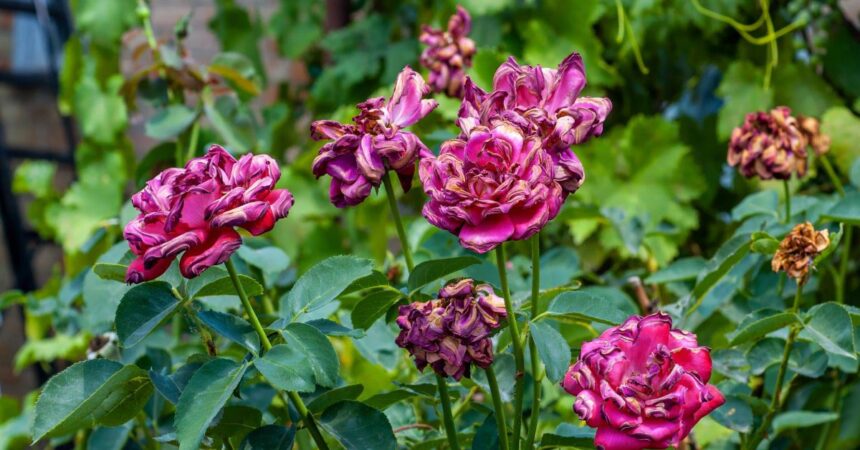
Weather pattern changes are affecting gardens all around the United States (plants in zone 8b, for example), and roses are no exception.
Increasingly hot temperatures cause heat stress, scorched leaves/blossoms, black leaf, and leaf spot.
Every rose is different, but yours may stop blooming to stay alive in tough conditions. Care for them by making sure they get adequate water and don’t fertilize them too much. A water-soluble fertilizer will supplement them, but again, keep it light.
Calendula
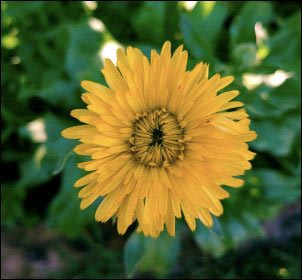
While easy to grow and manage, Calendula is known to “sulk” in hot temperatures. It’s a cool-season annual that blooms from fall to spring but drops off during the heat of summer.
Excessive sun causes Calendula to wilt and drop blooms. It also damages the plant’s structural makeup, making way for disease to take over.
Calendula will typically grow back when the weather cools down. Try to provide them with afternoon shade and water them as usual.
Pea
One of the first plants I grew as a beginner was peas. Much to my disappointment, they didn’t perform well. This was because I grew them during the 100+ degree weather of central Texas. Don’t be like me!
Most peas are cool crops and don’t stand a chance during heatwaves. Intense sun causes stunted growth, wilt, and less production.
If you want peas in summer, grow Southern varieties. Black-eyed, purple hull, and cream peas will yield a crop during hot months.
Bare Root Strawberry
If temps where you live exceed 85 degrees, it’s too hot for your strawberries. On occasion, they will tolerate warmer weather. This doesn’t happen very often, however.
Direct sun and scorching temperatures stunt strawberry growth and cause misshapen fruits.
To keep your strawberries alive during heatwaves, give them some shade cloth. Keeping them in regular shade helps, too. You can also choose heat-tolerant strawberry varieties that will produce longer!
Lettuce
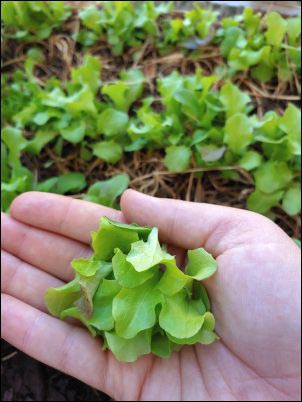
Most of us have done it—thrown some lettuce seeds in a pot or out in the garden for a quick summer salad on demand. You likely noticed a pungent, bitter flavor while tasting the leaves. Lettuce is notoriously bad during summer.
Lettuce, especially smaller varieties, is quite hardy. During hot weather, they wilt but do eventually come back if their soil is kept moist. The issue is that heat causes “bolting“, which is the plant shifting its focus to flowering. During and after this process, the leaves become bitter.
There are several types of heat-resistant lettuce varieties, including summer crisp and romaine. If you’re growing a cooler variety already, make sure to water it daily and give it afternoon shade. That should keep the plant from getting bitter too quickly.
Kale
Similarly to lettuce, kale is a cold-weather leafy green. I will say this: it’s surprisingly longer lasting than similar plants. My parents used to grow kale in the dead of summer… and it tasted totally fine.
Heat can cause stress, wilting, and bitter flavor. To combat bitterness, you can rinse your kale thoroughly in cold water or cook it. I prefer “kale chips” toasted in the oven with lemon pepper seasoning and onion powder. SO delicious!
To keep your kale stable during summer, provide afternoon shade (or shade cloth), keep soil moist, and water deeply.
Carrot
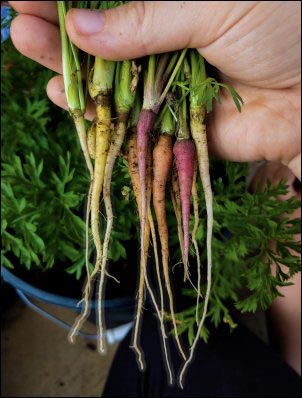
I’ve tried growing carrots during summer, and, unfortunately, it never works out. This is because carrots are a cool-season crop.
Extensive heat causes bitterness, woodiness, misshapen roots, and bolting.
Gardeners in cooler climates have success growing carrots during summer when they keep the soil moist and shady. Carrots don’t need full sun all day.
Bleeding Heart
Bleeding hearts are cutesy, enchanting plants that grow in shade. These perennials are best suited under trees, shady areas, and woodland gardens.
Heat causes bleeding hearts to die back during summer. First, they’ll stop blooming. Afterwards, their leaves will turn yellow and disappear.
During summer, you may be tempted to dig them up after they go dormant. Don’t do this if you want bleeding hearts next year! They will grow back come spring.
Forget-Me-Not
Forget-me-nots are one of our first signs that nature is waking up from her winter sleep. Their delicate blue blooms carpeting grassy landscapes are such an incredible wonder.
These flowers love spring but can’t hang during summer. Once they set seed, they decompose back into the earth, only to be awakened again during fall.
There isn’t much you can do to prevent these biennials from dying. Rest assured, though, you’ll see them again soon!
Garden Violet
My herbalist heart loves violets. They’re lovely for coughs, colds, and sore throats. They aren’t great in heat, however. You’ll want to harvest them quickly.
Summer weather causes violets to wilt, making them tired and more susceptible to disease.
Like forget-me-nots, violets are short-lived. Enjoy them while they last! Don’t forget to pick some leaves for your tea, too.
Are Your Plants Summer-Ready?
While some of your favorites may disappear this summer, you can either replace them with heat-friendly alternatives or expect to see them again next year.
The beauty of gardening is that nothing is permanent. Our plants are constantly growing, interacting with their environment, and changing. Kind of like life in general, right? Enjoy what you have in the season you’re in now. It could all change in an instant!