


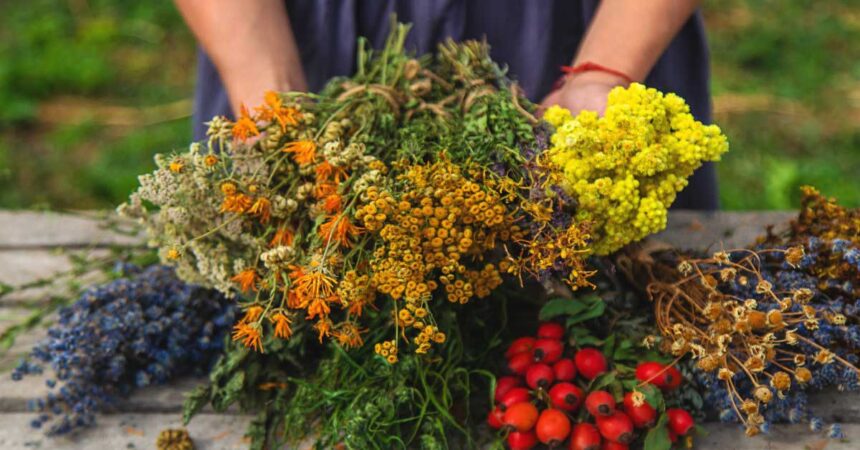
There are so many possibilities when it comes to earning an income from your homestead that it can be hard to choose. However, if you are on a small homestead, many choices are narrowed down for you. Starting a homestead business on a tiny plot of land isn’t out of your reach. If you can grow herbs, you can start a homestead herb business. Growing and selling herbs doesn’t take much space or money, and herbs are among the easiest plants to grow and propagate. The market is not oversaturated, and herbs lend themselves to many value-added products, allowing you to diversify and sell herbal products year-round. Herbs make terrific companion plants, meaning you can grow them with your other garden plants, and they can also be used as a living mulch.
Before rushing out to purchase your plants, create a simple business plan. The key to making money with herbs is to decide in advance what you are going to use them for. If you are going to make seasoning blends, grow culinary herbs. If you are focusing on herbal teas, grow popular tea herbs. Medicinal herbs and products are popular, but be careful to follow your state’s regulations regarding the claims you can make. This is especially important if you don’t have the luxury of extra space to play around with. Having a solid plan will ensure you grow the right herbs for the projects you are considering, saving you time, money, and frustration.
The most popular culinary herbs are easily started from seed, and they reach marketable size within a few months. Start pots of culinary herbs every two weeks in order to have a steady supply to sell to your customers. The same holds true for herbs you plant in garden beds: if you are going to sell culinary herbs, you need a consistent supply to meet the demand.
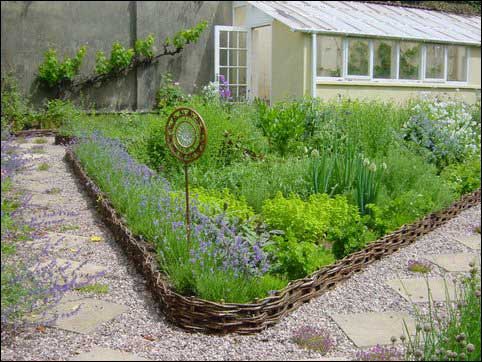
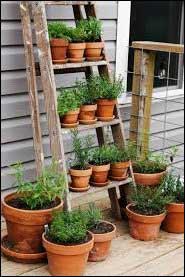
Herbs do well planted right in the ground, and the majority of them are not fussy about the soil. If you do not have a garden bed, most herbs do well in a large, shallow container with good drainage and at least five hours of sunlight each day. Prune and deadhead container herbs regularly, but avoid over-harvesting.
Herbs are also used for fragrances and crafts. You can either make your own herbal crafts or sell dried herbs to other crafters. Herbs are used in body care products and cleaning products. Research the different uses and discover some basic recipes that you can build on as you grow. It is a smart strategy to start with one or two products, listen to customer feedback, and make improvements before you try to scale up your product line.
Once your herbs are full-sized, you can expect to harvest for three to six weeks before depleting your supply. Even perennial herbs will need to rest and regenerate. After harvesting your herbs, tie them in small bunches and hang them in a cool, dry area. The back of a closet or your pantry is a good space to dry herbs. You can expect to get one pound of dried herbs for every eight pounds of fresh. An alternative drying technique is to strip the leaves from the stems, place them in a paper bag, and store them in the refrigerator until dry.
To create an effective business plan and to keep yourself on track, it is important to know when you should plant and when you can expect to begin harvesting. The following is a general timeline that should give you a basic idea of when you will be able to bring your herbs and products to market.
General Gardening & Harvesting Timetable
Late Winter
12 weeks before last frost date:
- Start lavender seeds indoors.
10 weeks before last frost date:
- Start Sweet woodruff indoors.
6-10 weeks before last frost date:
- Start oregano indoors.
6-8 weeks before last frost date:
- Start summer and winter savory indoors.
6-8 weeks before last frost date:
- Start marjoram indoors.
- Direct sow parsley in garden.
- Harvest rosemary.
Early Spring
4 weeks before last frost date:
- Start cumin seeds indoors.
- Plant horseradish.
- Plant and/or divide French tarragon.
- Plant coffee chicory.
- Plant sorrel.
- Plant cilantro.
- Begin harvesting parsley.
- Plant saffron.
Spring
- Plant and/or propagate stevia.
- Transplant oregano.
- Transplant summer & winter savory.
- Transplant marjoram.
- Transplant lavender.
- Plant rosemary.
- Plant chervil (succession planting every two weeks)
- Plant hyssop.
- Plant sage.
- Plant lemongrass.
- Plant chamomile.
- Plant saffron corms as soon as the ground is no longer frozen.
Early Summer
- Harvest parsley.
- Harvest sorrel.
- Harvest cilantro.
Midsummer
- Harvest marjoram.
- Harvest rosemary.
- Harvest summer & winter savory.
- Harvest coriander.
- Harvest chamomile.
Clip herbs constantly through midsummer – you do not want to allow the plants to blossom. When it is time to harvest the entire plant (annuals), harvest just before their flowers emerge. At this budding-up time, the leaves are at their most aromatic. Hose down the plant the day before harvesting and pick as soon as the dew has dried the following morning.
Late Summer
- Harvest lemongrass.
- Harvest sweet woodruff.
- Harvest sweet cicely.
Early Fall
Late Fall
- Overwinter tender perennial herbs indoors.
- Preserve (dry or freeze) the last of the harvested herbs.
- Harvest saffron.

Because herbs are becoming increasingly popular, finding a market for them is not difficult. The most important part of selling herbs is to know your market and be knowledgeable about your product.
The best way to make a reliable and consistent income from herbs is to sell bulk herbs to local chefs. If you have a large and consistent supply of culinary herbs, local chefs are always interested. Make sure you have enough to supply their demand and always provide them with clean product. Add herbs to your booth at the farmer’s market. Smaller quantities of culinary herbs can be sold easily at farmers’ markets – either fresh, dried or made into a seasoning blend. Promote yourself at craft shows. If you are growing herbs for crafts, hand out your card and show samples at local craft shows to vendors who sell herbal crafts. Most of the time, they are buying from a craft store or online, which is more expensive. You can also sell your own value-added herbal products at local gift shops. In addition to local shops, you can create an Etsy shop and take advantage of their customers who are always looking for new products.
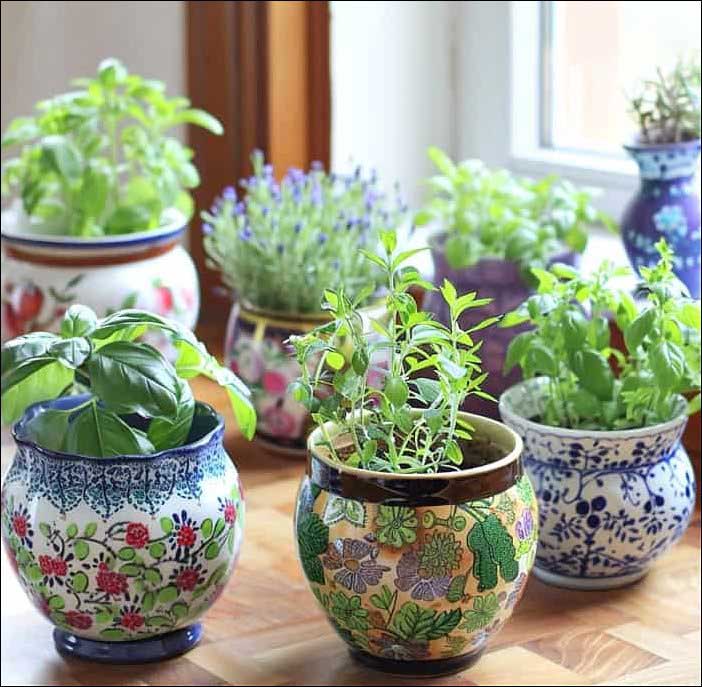
Potted plants are popular at farmers’ markets. You can propagate the herbs you have and sell them, either as a single herb or a combination of herbs that can be used together. You can pot up your seedlings in just about anything, but the cuter the container, the more money customers are willing to pay.
Don’t limit yourself to selling physical products. Teach people about container gardening for herbs, how to make bath & body products, or even how to use herbs in the kitchen. Hands-on workshops that allow participants to take home what they have made lead to very happy students, repeat business, and free publicity via word of mouth. If you find you really love herbs, consider becoming a Certified Herbalist. There are several courses to choose from – research them and pick the one that is best for you. The more you know, the more confident you will become, and the more you can charge.