


At one time or another, nearly all homesteaders desire to make their homesteading journey self-sufficient and begin to search for ways to achieve that self-sufficiency. Even the beginning homesteader hopes to find a way to make an income off the excess products their homestead produces. Today there are several ways to market homestead produce; anything from crafts to crops can be turned to cash with a little know-how. There are several venues open to those who choose to try their hand at this money-making approach and who are willing to spend a little time investigating their marketing options.
Most people have heard of their local farmers’ markets and many have even visited them relatively often. These are great places to buy fresh produce; because of this, they are also the most obvious place for a homesteader to market some of their excess products. Farmers’ markets are known for vegetables and produce. Many also sell fresh eggs, cheese, even homemade soaps.
Many of these products do not require refrigeration, however, some do. If the items being sold require refrigeration, then the seller needs to find a way to keep these products in the cold while at the market. Be sure to check your state’s regulations concerning the packing of refrigerated items such as eggs and cheese.
If you don’t know the location of a farmers’ market in your area, check with your local town hall, chamber of commerce, or state extension office, they should have this information available.
Many producers will sell through multiple farmers’ markets by finding markets within a 50-mile area that meet on different days and in various locations. This allows the producer to decide what product sells best in which areas and provide items according to the best results at each market. In turn, this increases their selling potential.
A modern variation of the farmers’ market has become available in some areas, aiding the savvy producer looking for ways to market produce without ever leaving their homesteads.
CSAs (Community Supported Agriculture) are becoming very popular among those trying to make a go at selling their produce. CSAs offer the producer a relationship with the buyer; in short, it is a small-scale closed market. The producer offers a type of subscription service to buyers, where the buyer pays an upfront fee or contracts for a weekly or monthly group of products produced on the farm. The buyer makes a financial commitment to the homestead producer for the season. Usually, the fee is paid upfront, although on occasion it can be arranged in a payment form. The producer has a list of what products he plans to have available, how much he expects to have, and how often he will have them.
The CSA season is basically the same time frame as that of the farmer’s markets: from spring through the early fall. CSAs offer a great benefit to both the producer and the buyer: the producer knows how much and what kind of products he needs to produce to meet the agreement and he also knows what his income from it will be, while the buyer gets fresh produce and the opportunity to get it at a better price than he would if he were paying a middleman on top of the producer’s price. There are even a few CSAs where the buyer is required to invest actual work hours on the homestead working with the producer. In recent years the popularity of CSAs has grown astronomically, becoming one of the preferred ways of marketing and obtaining freshly produced products.
Another way for the energetic homesteader to market his products is through the use of food co-ops. A food co-op is simply a grocery-store-type organization arranged as a cooperative to bring fresh locally grown produce to the buyer’s front door. Most food co-ops are organized by state or region. Food co-ops require that producers join the co-op and usually require them to spend a few hours in volunteer service once a month to make sure the products are put together properly and ready for delivery to the buyers. The co-op often has a website and newsletter system that lists each product available through the co-op and the price that each producer requires for the purchase of their product. The buyer selects the product he wants and which buyer he wishes to purchase it from.
Basically, they turn in their grocery list and the co-op sends out a statement to the producers of what they have sold that month. The producers then must have their products packaged and delivered to the co-op location on a scheduled date. The co-op then puts the order together from each buyer and meets the buyer on that date to deliver the items ordered.
This particular option allows the producer the same type of options open to him as a farmers’ market but allows for a wider area of market coverage. It is also a little easier to market meat products in this fashion because meat products are much harder to maintain at a farmers’ market than when kept in storage at the homestead and delivered once a month to a predestined location.
Food co-ops are most often listed through agriculture services and other types of local cooperative newsletters. You can also do a search for a food cooperative in your area.
As a producer, the food co-op will have a list of requirements and laws that they must meet in order to market their products through the co-op. These are most often the same rules and regulations that are needed to sell through a farmers’ market. An example of these regulations would be only marketing meat products that are packaged by a state-inspected or USDA-inspected facility. Many states require producers selling eggs to apply for an egg license; there are labeling requirements made by states and the USDA for all products produced by even the smallest homesteader. Don’t fear these requirements—most are easy to attain and often only require weight, producing farm name and address information printed on the product’s label.
In recent years, a desire for fresh and organically grown produce has encouraged the start of small old-time grocers that only market local, organic products in their stores. Often, some types of health and vitamin stores will also offer a small selection of these organic products as well. Many of these stores have such a demand for free-range chicken eggs that they will purchase all that local producers can supply. These particular markets have many return customers that develop preferences for particular products grown by certain local growers and will ask the stores to keep a good supply of those favorite products.
This does open up a market using a middleman between the producer and the buyer, however, while the producer may get a little less for the individual products, the need for more products often makes up for this loss in initial profit. These markets can offer the producer a better deal than you might expect. Because they purchase so many of the producer’s products they are often a considerable source of steady income. Most of these markets have such a loyal customer base that they use mailing lists and email alerts to inform their regular customers when products come in. This can help the producer when selling products through the market; it means if the producer has some products that are rare or very seasonal the store will alert their customers as soon as these items have come in and the results will be quick sales.
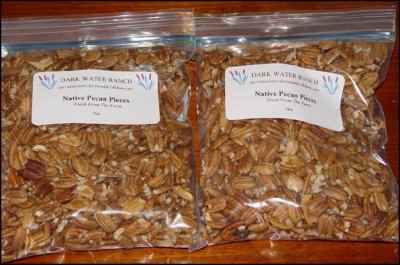
These markets are gaining in popularity and springing up in many locations. You can search for these stores in your area just by looking through the telephone book and making a few calls. It might surprise you how many of these markets would be interested in your products. Some of these markets are also interested in marketing homemade farm crafts as well. There are even a few that might have an interest in the tops of pines you cut out at Christmas time. Remember, these markets value the relationships that they form with producers and can develop an interest in other types of products from familiar producers over time.
Possibly the largest, newest and easiest way to market homestead products is the most unused by producers: the internet. The internet has opened the possibility to even the smallest homesteader of a worldwide market for their products. Many start out simply: they put a few items up on auction sites such as eBay. However, eBay is just the tip of the internet iceberg for the enterprising homestead producer. All eBay patrons have the option to open an online store selling items through eBay. This would not necessarily cover fresh produce, but to some extent, it does apply. Pecans, walnuts, and seeds are fresh products that can be sold through that particular framework. However, crafts and similar items are the products most easily offered in this manner.
The internet is large enough that it offers many more opportunities to the opportunistic homesteader. There are several sites on the internet devoted to fresh, organic producers. Localharvest.org is one such site. These sites can be a shot in the arm for the small producer trying to make a go at self-sufficiency on the homestead. They list many of the local CSA growers and farmers’ market locations, but the biggest and best thing they offer is free advertising for each producer. They provide a list that is free for you to register your farm and the products that you raise and produce. They have search engines that allow the buyer to search for producers close to their home areas. They also have a large supply of information available concerning ways to grow and market products.
Localharvest.org offers special support to producers that opens the market to a greater degree. They have an online store for producers to list products they have available for online purchase. The website currently lists over 5,000 products available in this manner. It is possible to market wool, soap, dairy, meats, seeds, specialty herbs, teas, preserves, fruits, nuts, processed foods, tinctures, cut flowers, syrups, crafts, and even pet needs here. This can be a great service to all producers, but through this website, even the smallest producer gets a chance to market products of all kinds produced on the family homestead.
The last marketing area can be managed by the homesteader himself. Many homesteads develop their own website on the internet for the sole purpose of marketing their products to a worldwide market all by themselves. Whether you design a website yourself or use a pre-formed template, a little general computer knowledge is all that is needed to accomplish this. Many producers use pictures as well as words to help market their products. Pictures allow the seller to showcase their many products available for purchase at different stages. If a homesteader wants to market free-range chicken eggs, for example, they can use photos as a tool. When buyers see photos of chickens moving around a homestead, free from cages and eating any insects they find, they know that the producing hens are not caged and eating processed arsenic. Next, the producer shows the eggs for sale in a basket or carton. This makes the personal website a dual marketing tool; not only is it offering products that the producer has for sale, but it also allows the buyer to feel a real connection to that producer.
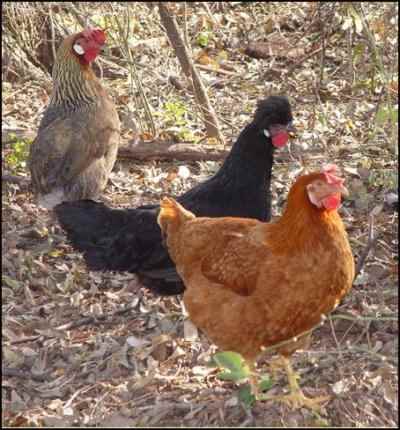
Selling products in this manner makes it very easy to collect from buyers via electronic payments. Entities like PayPal make it easy for producers to collect upfront payments for the sold products much faster than the traditional postal system. As far as delivery goes, the producers will need to offer mail service for goods sold over a great distance or arrange a monthly meeting place for buyers to collect their purchases. Websites are a smart option for a producer, even if he does not make items available for purchase through the site itself. Customers that purchase items from producers in the ways previously listed still enjoy making a personal connection with the producer through the website photos and statements.
The key to selling homestead products is to check into each of the marketing options previously discussed. Find the one or more that best fits you and your homestead, then plan on marketing the products you have through these options. Inspecting the items that other producers have for sale in these areas can also sometimes help to jump-start an idea of a new product to market that is available on your homestead – one that you might not have thought of before. The truly enterprising homesteader is not only always looking for a way to market the products they produce, but also looking for new and better items to market. Becoming self-sufficient usually means being diverse in not only production but in marketing as well. Give it a try—you might be surprised at just how well you do.