


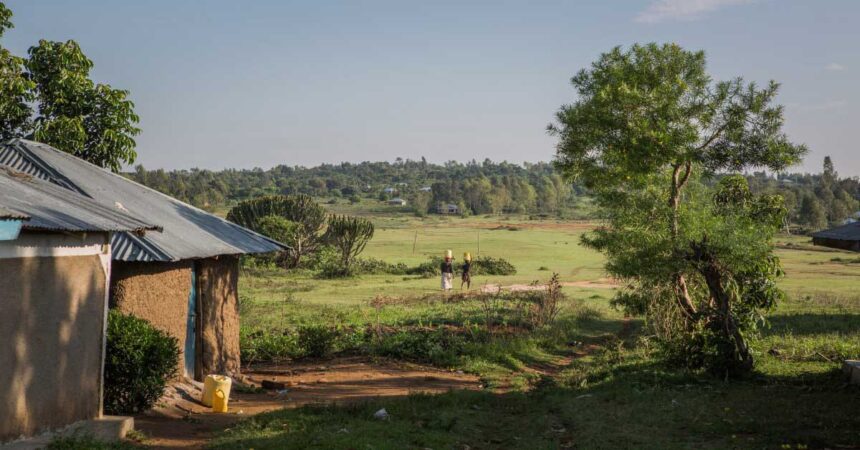
As a little girl who grew up in the city, one of the things I looked forward to was visiting my grandma in the village during school holidays. Every time I’d visit her, I would watch and admire how peaceful and serene her life was. It was nothing like the life I was used to back in the City. Her homestead life was dream-like. She was so in tune with nature; the birds, the seasons, the animals she cared for, and her food… Oh her food was the best thing I’ve ever tasted.
She had a little garden behind her house where she planted spring onions, cherry tomatoes, coriander, and other green vegetables. Whenever any of her children or grandchildren would visit, she would slaughter and cook a chicken for them. Her chickens tasted nothing like the city chickens did. They were free-ranged and fed on grains and kitchen scraps.
Watching my grandma live her life on her homestead made me wish for the same. In those moments as a child, I decided that I didn’t want to live in the city, I wanted a farm where I could grow my own food, have animals that I could care for, and slaughter a chicken whenever my friends or family visited.

Fast forward to nearly two decades later, that little girl’s wish came true. I was fortunate enough to find a man who shared the same dream and who was willing to work very hard in order to make it come true. One of the moments I look back to was in our early years of marriage when we lived in a two-bedroom apartment that was next to a highway. In that tiny and poorly lit apartment, we would spend hours talking about our dream homestead. We had no idea how we would get there only that one way or another we would find a way. Despite the challenges we encountered and a previous failed attempt at homesteading (a story for another day), it still feels very surreal that we are here now, living that dream.
One challenge that we didn’t foresee though, was the amount of work a homestead came with. Yes, homesteading can be a lot of work, from animals that need to be fed, dewormed, and sprayed regularly, to land that has to be prepared for planting, weeds that need to be managed on the farm and the yard, and also the harvesting, storing and preserving of food, not to mention the daily chores such as cleaning and cooking. For quite a while, I felt as though I was constantly trying to catch up. There was too much to do but never really enough time.
This didn’t seem to be the case for the experienced homesteaders around me. Somehow, their homesteads always seemed clean and well-organized. It would puzzle me how on Earth they would find the time to sit under a tree in the middle of the day, drinking tea and sharing stories while my to-do list was still nearly a mile long. I decided to observe, learn, and enquire.
Slow Down… Be Present
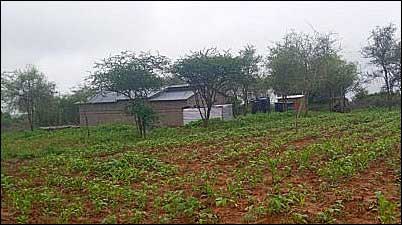
One mistake I made was bringing the city life pace to my homestead. I was always rushing, thinking about the next task before I could even finish the current one; always stressed and anxious. This made me very unproductive, and the more unproductive I was, the more stressed and anxious I would be, and on and on the cycle would go. From my observation, the homesteaders I looked up to, including my now-late grandma, lived in the moment. Their lives were slower and more focused.
I chose to adopt and apply this way of life, taking each day as it comes, and whenever I feel the rush and anxiety coming back in, I just take a deep breath, feel my surroundings; the birds, the gentle breeze, the sounds of my chickens clucking, I take it all in and remind myself to stay present. After all, this is my dream come true, I ought to take the time to enjoy it.
Observe the Times and Seasons
My grandma loved saying that the day should start and end with the sun, that that is how God intended it to be, but humans decided to extend the day with bulbs brighter than the sun. Most African homesteads start their day at dawn and slow down at dusk. That way, you get enough time to rest and enough time to work.
Different days also have different tasks. For instance, we have farmers market days once a week in our town where you can buy livestock and food. You can also sell any produce you have on market days. Our market day is on Tuesday. Every Tuesday we go to buy what we don’t have or sell any extra produce or livestock we may have.
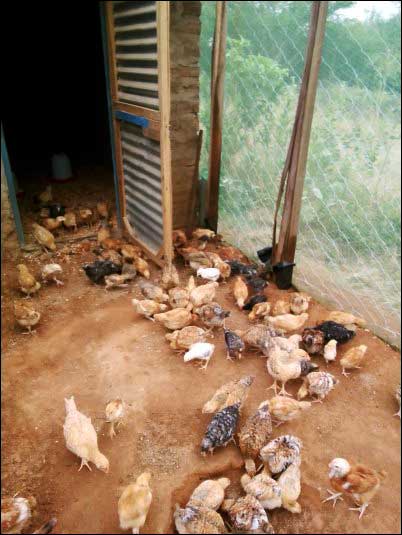
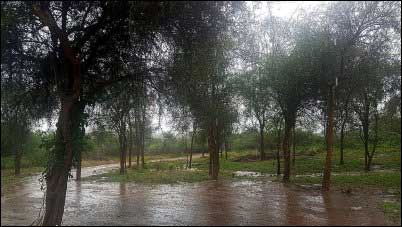
Seasons also greatly vary. There is the planting season and the harvesting season, the rainy and the dry season. Each season also has its own tasks that need to be timely done. As I type this, it is currently the planting season. The land has to be prepared and seeds planted before the rain starts. During the rains, water is harvested and stored for use during the dry season.
Knowing which season we are in and what needs to be done allows us to prioritize and focus on what’s important.
Work is Meant to be Shared
Another big mistake I made when we were starting our homestead was believing that I had to do it all. I had created this false narrative that I could not be a Real Homesteading Woman if I was not handling all the cleaning, cooking, gardening, and caring for the animals.
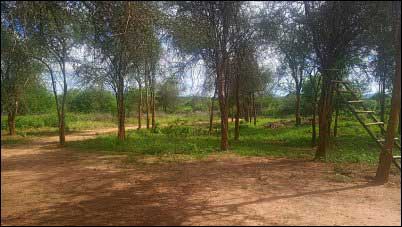
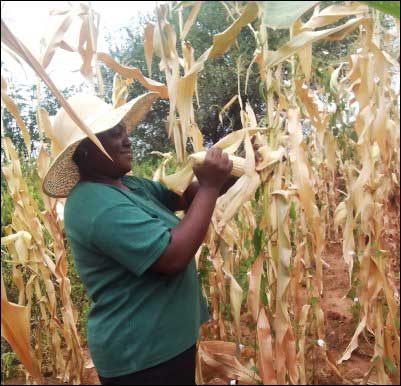
I then observed that work is shared in every African homestead. Homestead family chores are usually categorized into three: house chores like dishes, laundry, sweeping, mopping, and cooking. Farm chores such as gardening, planting, weeding, and harvesting. Animal chores such as cleaning the shed and coops, feeding and watering animals, and treating and spraying them.
All three of our kids are still under 10 years old and cannot take as much work. However, we have still found ways to assign them chores that they can handle. Sharing work has really lightened the burden and allowed us all to put in the effort to keep our homestead running.
The Typical Day on an African Homestead
If I were to be entirely honest, I don’t have it all figured out. Some days are better than others. Most days, however, I try to ensure that breakfast is ready by 6 AM and dinner by 6 PM. We also like to be sure that the animals are fed and watered immediately after we have breakfast. How the rest of the day unfolds depends on the season we are in. We spend most of our time outside, only going inside if it is raining or nighttime.
We’ve come a long way, and we are still learning. However, I no longer feel as overwhelmed as I used to. I mean look at me, as I type this, I’m sitting under a tree in the middle of the day, sipping my tea, watching my kids play tag, and my to-do list is not nearly that long. Not too bad, huh?
