


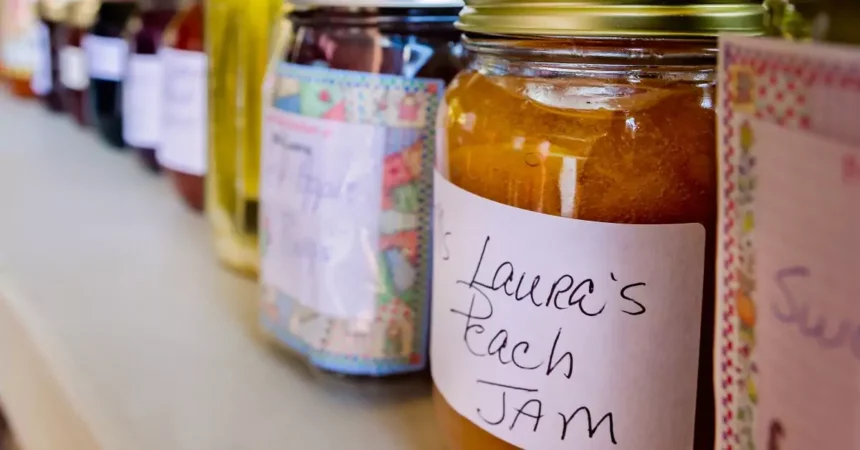
There are as many reasons to start a homestead as there are homesteaders, but they all have one thing in common. Eventually, we are going to want to make money from our homestead. Many people get stuck with the idea that to make a good living, they need a lot of land. This couldn’t be less true! In fact, a small business will often make more money and cause less stress, lowering the chance of burnout. The key is to create a niche homestead business that is based on your particular skills and resources.
A niche homestead business is a small-scale operation that specializes in producing a limited range of products or services. Even a backyard or apartment homesteader can do this. While the specifics will depend on the business you choose, there are basic guidelines that apply to any niche business. Following them will help you turn a vague idea into a money-making reality.
Find Your Niche
As you’re considering what product or service to offer, consider four things that determine whether a niche has the potential to be profitable. First, does it solve a specific problem or meet a strong desire? Second, do you have a clearly defined audience that wants this product? Third, does this product or service use resources and skills you already have? And finally, is the market overly saturated with the same or similar products?
For a product to be successful, ensure that it is useful, high quality, unique, and aligned with your values. It’s great to dream big and have an idea of what you want your business to look like in the future, but it’s best to start with one great product that you will enjoy producing consistently. For example, if you want to sell a line of bath and body products, start with a body oil or lotion. Get feedback from customers and scale up as you get more customers.

Plan the Work, Work the Plan
Every good business, regardless of size, benefits from a basic plan. You do not need to write a full-scale business plan, but you should know where you are, where you want to go, and how you are going to get there.
The easiest business structure to set up is a sole proprietorship. If you think you want an LLC, research the laws in your state and follow them to the letter. Once you decide on the structure, decide on your business name and check its availability. If you are going to have your own website, make sure the name you chose is available as a domain name.
Many, but not all, states require you to register your business. You can check on your state’s webpage. While you’re checking, look into your state’s cottage food laws if you are going to be selling consumable items. Most farmers’ markets will require proof that you are complying with these laws before they allow you to sell food.
You can run your business out of your personal bank account, but this is not a good idea. Having a business bank account allows you to track your business expenses and income more efficiently. This makes tax time a lot easier, and it also gives you an immediate sense of how your business is doing. It makes quick work of tracking expenses. A business account also puts you in the right frame of mind: this is a business, not a hobby.
Because this is a business and not a hobby, pricing your products for profit is important. A simple formula is cost of materials + time to produce + overhead + desired profit = final cost. If you have determined your product or service is profitable and the market is not saturated, people will pay the price you set.
Marketing and Selling
Some people love marketing, some people don’t. The fact is, it has to be done. You can do it in a way that aligns with your values and personality so it feels more natural and less “salesy.”
The first thing people talk about when discussing marketing techniques is branding. Branding is simply the way you decide to present yourself to your customers. You already started branding when you chose a name for your business. Now you will want to choose a few colors and a font that you will use in your packaging and online. Finally, the stories you tell about your business, family, homestead, and values are all part of your brand. How do you want people to feel when they think of you and your business? This is the basic question you must answer to create a consistent brand.
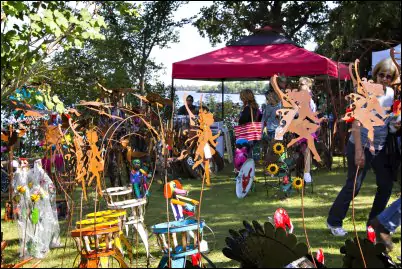
Markets and craft shows are a lot of fun to sell at, and you get the added benefit of meeting people face-to-face and getting real-time feedback on your product. Of course, selling online is an option that immensely increases your potential customer base. There are thousands of platforms, but the main ones are Etsy, Shopify, Instagram Shops, and Facebook Marketplace. Etsy has a good amount of fees, and Facebook Marketplace is best for local sales. Shopify can link to your Instagram account, allowing you to sell from two shops while promoting your business on Instagram.
Day-to-Day Operations
Running a business can be overwhelming, but there are things you can do to alleviate the stress. First and foremost, keep your vision in mind. When we forget why we are doing something, the work seems much more tedious and unbearable. Second, enlist the help and support of friends and family. They don’t have to work for you, but their understanding and support play a big part in your success. Third, streamline your operations and work in batches to prevent yourself from reacting every time a new sale or opportunity presents itself. Have a day for production, a day for packaging, a day for shipping and delivery, an administrative day, and marketing days.
Keep a calendar for the dates of your markets and craft fairs. Work backwards from each event to figure out what needs to be done in order to be ready. Breaking each event into several milestones will ensure you are organized and completely prepared on the big day. These are the days you should only be interacting with potential customers. Rushing to get things done at the last minute is a recipe for disaster.
Celebrate Your Successes
Earning an income from your homestead is important, but not as important as living the life of your dreams. Your business is just one part of that dream. Don’t get so caught up in the numbers that you forget to live your life and love your people. Celebrate your successes – every single one of them – with the people who have supported you in this venture.