


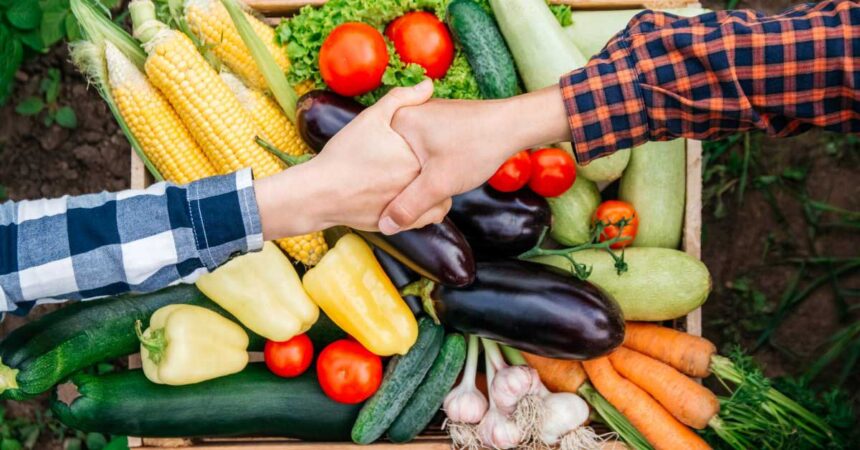
Living on a homestead is wonderful. Figuring out how to make a living – a good living – makes it even better. A homestead business is a lot of work, and the responsibility is all yours, but that’s what makes it so satisfying. There are hundreds of businesses to choose from, but this article will focus on three that provide reliable, consistent income: CSAs, herd shares, and subscription boxes.
CSAs and herd shares require a fairly large homestead – large enough to grow enough produce to consistently fill orders or large enough to raise animals. Subscription boxes, on the other hand, are a business model that anyone can do.
Before examining the three individual businesses, there are some standard practices that every business should undertake. First, make sure you understand your state and local regulations. Second, create a basic business plan that, at the very least, outlines your goals, mission, business structure, and pricing. Next, gather a core group of people who can give you feedback on your products and help with marketing and distribution.
When starting a homestead business, you also need to know what your USP – unique selling proposition – is. What problem does your product solve, and how are you different from your competitors?
Investigate whether there is a demand in the market for your product. If the market is saturated with a product similar to the one you want to sell, you may find that you have to price your product so low that you will not make a profit.
Finally, start thinking about a retention strategy. This may seem strange when you are still trying to find your first customer, but it is important to think long-term. Some easy-to-implement retention strategies include customer loyalty programs, referral rewards, educational blogs and newsletters, and credits toward the next purchase.
Consumer Supported Agriculture (CSA)
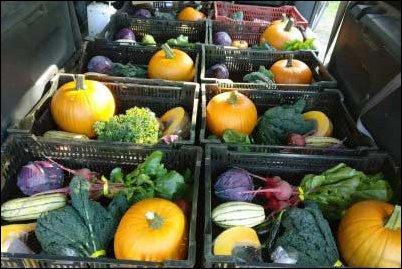
A farmer operating a CSA sells shares of their harvest to local customers. Farmers receive payment upfront and subscribers receive a weekly or bi-weekly box of produce throughout the growing season. Most CSAs operate on a 20-week schedule, with many offering the option to buy a 10-week share. Boxes are delivered or picked up at a predetermined place and time.
Before you decide to operate a CSA, ask yourself: how many people you are able to provide produce for, consistently, each week? This is determined not only by the amount of land you have, but also by your time and energy. A CSA is simple, but it is not easy.
It is easy to underestimate the work you will be doing and to undervalue yourself and your product. The best way to come to a fair price is to estimate the average market price of the produce you are selling and multiply that by the number of weeks in the share. Add at least 10% of that total to compensate for labor.
If you are interested in operating a CSA but are not ready to take the plunge, ask the closest CSA if you can add one product to their weekly boxes. This will give you an idea of how a CSA works and whether it is something you would enjoy doing.
Herd Share
A herd share is a co-ownership arrangement where members own a portion of a herd (or single animal). Their share allows them to receive farm-fresh milk, eggs, or meat directly from the farm. Because most farmers’ markets do not allow the sale of meat or raw milk, this arrangement benefits the farmer and local customers who want local and humanely-raised food.

Knowing and complying with state and local regulations is extremely important in this homestead business, as violating these rules will result in legal troubles. Farm-to-Consumer Legal Defense Fund offers state-by-state guidance and your community agriculture department will be happy to help.
Pricing for a herd share usually involves a one-time buy-in fee and a monthly fee. Each share purchased entitles the member to a certain amount of product. If the customer wants more than what the one share provides, they can purchase more shares.
Before you sell your first share, draft the contract you will use. The contract should include a place to note the number of shares purchased, what the one-time fee and monthly fees cover, the products they will receive, and the distribution process. You should also include any termination clauses and go over potential liabilities. When creating a contract, it is always a good idea to run it by a lawyer who is familiar with agricultural law.

Subscription Boxes
According to Shopify, the market for subscriptions has been growing for years and online subscriptions are estimated to be worth $2.3 trillion by 2028. Of course, big businesses account for a lot of that, but small businesses can also get a piece of that pie.
Subscription boxes are simply boxes filled with curated or handmade items that are sent to subscribers on a regular, predetermined schedule. Just like CSAs and herd shares, subscription boxes provide a predictable income and provide the business owner with more cash on hand since many subscription businesses require payment for the full term of the subscription upfront. This also allows you to start a homestead business with minimal upfront investment.
There are four types of subscription boxes: curation, replenishment, access, and hybrid. The curation box contains thoughtfully selected products, usually theme-based. Curation boxes work well for clothing, bath and body products, and food.

Replenishment boxes let customers automate purchases of essential items, usually at a discounted rate. While this is usually a business for commodity and convenience items, homesteaders who choose the replenishment box business would do better as business-to-business wholesalers. For example, local inns or B&Bs might be interested in stocking locally made bath products.
Access boxes give subscribers access to lower prices, exclusive deals or private access to a variety of products. If you already have an online store, an access subscription might be a good addition.
Hybrid boxes simply integrate a subscription service into your existing business. A fiber artist could sell subscription boxes of wool or a baker could create boxes of flavored baking salts. By adding a small subscription box to your established homestead business, you can test the waters while adding a predictable revenue stream.
As this year comes to a close and you begin planning your next homestead year, consider if one of these business models is a good fit for you and your family. Start small so as not to get overwhelmed, but know that you can always scale up as you become more comfortable.