


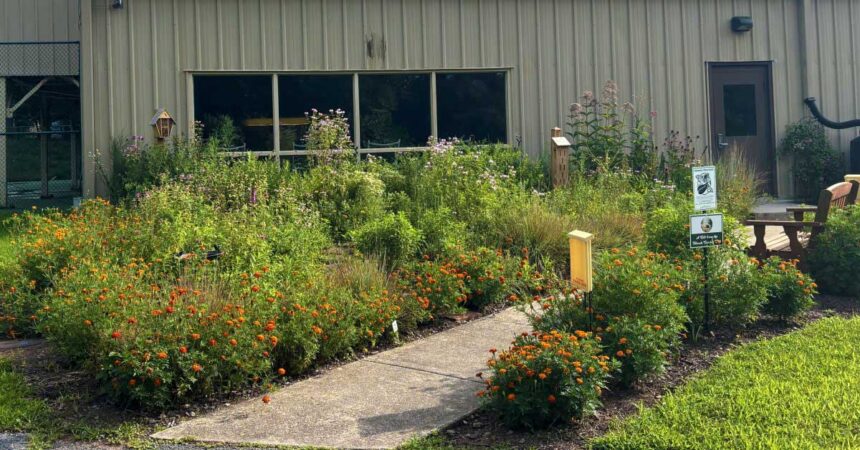
In natural ecosystems, rainwater clings to the leaves and trickles down to the forest floor. As the water filters through the leaf mulch and the roots of trees, shrubs, and other plants, the ground acts like a giant sponge, slowly “drinking in” the water. This natural process allows the water to percolate down through the soil slowly, where the soil and plants absorb silt and harmful pollutants. This “bioretention” is Mother Nature’s way of ensuring that the water that makes it to a local waterway is a cleaner version of the storm runoff.
As we’ve developed the landscape, we’ve also dramatically altered the path those raindrops take. Now they fall on roofs, continue over driveways and lawns, down sidewalks, streets, and other impervious surfaces. Rain becomes runoff, picking up pollutants like grease, oil, pesticides, fertilizers, and pet waste along the way before entering storm drains that lead to nearby bodies of water. The toxic buildup harms aquatic life and animals that visit for a drink and creates challenges for water treatment facilities.
Storm runoff can also erode landscapes and contribute to flooding. While rainstorms may not seem like they’re producing a lot of water, according to a Wisconsin Department of Natural Resources factsheet, an inch of rain on 1,000 square feet is approximately 600 gallons of water. Instead of letting the rainwater go to waste, why not trap the water with a rain garden and grow something that beautifies your landscape and helps keep your local waterways cleaner in the process?
The Solution for Slowing and Filtering Storm Runoff: a Rain Garden
According to the Pittsburgh-based Green Building Alliance, the concept of rain gardens originated in 1990 in Prince George’s County, Maryland, where a developer designed a nature-based system that mimics naturally occurring water filtration. Each home in the subdivision had a 300- to 400-square-foot rain garden. The project showed immediate results in reducing stormwater runoff. Since then, rain gardens have gained popularity and remain one of the most effective and inexpensive ways to restore the natural water process.
A rain garden is a shallow vegetated basin located in well-draining ground, usually on a slope. When filled with deep-rooted, moisture-loving plants, it is designed to intercept and temporarily capture stormwater runoff and snowmelt from roofs and non-porous surfaces, such as driveways and patios. The rain garden allows the water to percolate slowly into the soil, while the plants work to absorb contaminants before it reaches groundwater aquifers.
With some basic tools, a bit of planning, and a weekend or two of work, you can turn a water-logged area of your yard into a beautiful and eco-friendly asset. A rain garden can be as simple as adding plants to help absorb the water in a low spot where stormwater from your yard or downspouts can percolate down through the soil, rather than leave your property as runoff. During a storm, the rain garden fills with water that slowly seeps into the ground, allowing the soil and plant roots to filter and remove surface pollutants. It is not a mosquito attractant. The water is soaked up within 24 hours, which is not long enough for mosquitoes to complete their breeding cycle.
Choosing the Location
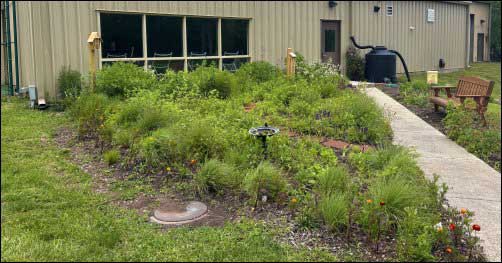
Rain gardens can be located near the house to catch runoff from the roof, or a low spot farther out into the property that collects water from the lawn, roof, or driveway. Keep in mind that they should be located at least 10 feet from the house (so infiltrating water can’t seep into the foundation) on a gentle slope where water tends to collect. When considering placement and design of your rain garden, consider how the rain garden can be integrated into existing and future landscaping, outdoor gathering spaces, or children’s play areas. Choose an area that receives full or partial sun to grow healthy plants and help evaporate standing water.
Getting Down to Work
The depression should ideally be at least four inches below the turf level of your lawn. If you are unsure about what could be below the area where you plan to dig, call 811 to request that the approximate location of buried utilities be marked with paint or flags so that you don’t unintentionally dig into one! There is no charge for this public service, and skipping it could be a costly mistake! Outline the shape of the garden using spray paint or a garden hose. The depth of the garden is important. Since they do not hold water or pool it for more than several hours after a storm, digging a flat depression 4 to 8 inches deeper than the surrounding ground will be enough to catch the water and allow it to trickle down into the soil. The steeper your yard’s existing slope, the bigger the flow of unabsorbed water, so the garden’s bottom will need to be deeper to compensate. If the slope is less than 4 percent slope, the depth should be 4 inches; 5 to 7 percent slope, the depth should be 6 inches; and 8 to 12 percent slope, the depth should be 8 inches. There are many websites that delve deeper into the details, should you need them.
There is no “right” size or shape—you can start small and expand it over time. While digging the rain garden, pile the dirt around the edge where the berm will be. (The berm is a low “wall” around three sides of the rain garden that holds the water in during a storm.) On a steeper lawn, the lower part of the rain garden can be filled in with soil from the uphill half; extra soil might need to be brought in for the berm.
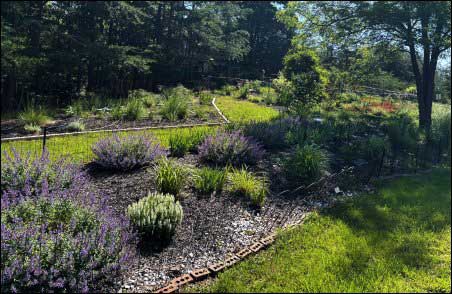
You can plant a rain garden anytime, but keep in mind that planting during the dry season will make frequent watering essential until the young plants are established. Adding compost and sand to the soil will increase its ability to absorb water. The type of alteration to the soil depends on the current soil type, so it’s a good idea to obtain a soil test. (Collect a soil sample and send it to a local soil testing lab or your county extension office. Make sure to follow their instructions for sampling and submission to get accurate results.) Native plants are the best choice for rain gardens. They are hardy and have adapted to your region’s climate, soil type, and growing conditions. Consult your local nursery or county extension office to find out which native shrubs, perennials, and flowers are best for your area. When choosing plants, consider height, space requirements at maturity, and color. Keep in mind that a diversity of plants is pleasing to the eye, beneficial to wildlife, and creates a strong root system that will resist erosion and inhibit weed growth.
Rain Gardens Are Low Maintenance
When native plants are used, your rain garden will not require pesticides or fertilizer. During the first or second year, occasional watering may be necessary, particularly during periods of low rainfall. Likewise, some weeding might be needed, but once the plants take hold and grow, they will eventually out-compete the weeds. Once the plants are well established, your rain garden can be maintained with little effort. Like any garden, it can be dynamic as you add new plants or remove plants that don’t do well. In my area, deer are a major problem, so plants need to be deer resistant.
By reducing stormwater runoff, rain gardens can play a valuable role in preventing flooding, reducing erosion, filtering pollutants out of the water, and allowing more water to soak into underground aquifers. As an added bonus, rain gardens provide native habitat for birds, butterflies, and beneficial insects, and food for pollinators. They also provide shade for turtles, toads, and rabbits. But most of all, in creating a rain garden, you will be playing an active role in lessening the impact of the storm runoff generated by your house, carport/garage, driveway, and sheds.
Our Earth provides us with water. It’s our responsibility to protect and preserve all natural resources for current and future generations. Our actions, no matter how seemingly small, have an impact on the delicate balance of ecosystems and the overall health of the Earth.
For Further Reading
Rain Gardens: A How-To Manual for Homeowners – Comprehensive, 32-page how-to manual.
National Audubon Society Native Plants Database – An excellent source to find native plants suitable to your region’s climate.