


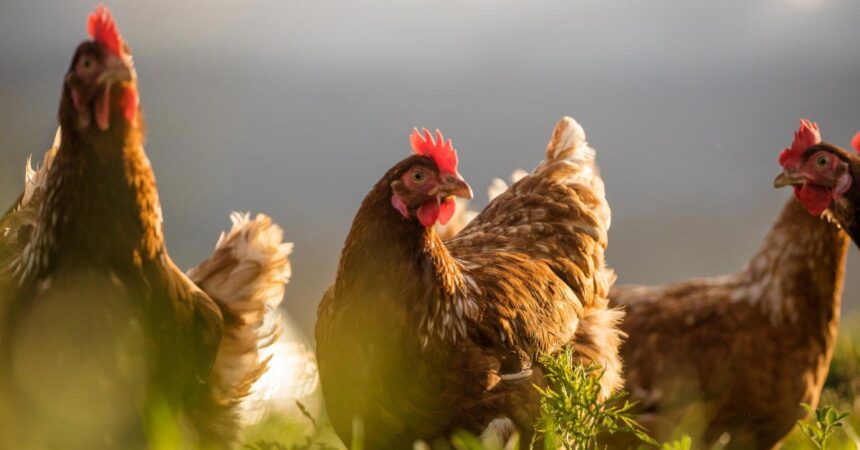
If you don’t have the money to take your chicken to the vet or find yourself in a veterinary wasteland where no one seems to treat chickens, you may feel very alone in the event that illness strikes your flock. It may very well be that you are spelunking down the research rabbit hole as we speak, a sick chicken living in your shower.
In that case, I hope these home remedies for chickens will serve as a reminder that you are not alone, it is not hopeless, and you are not helpless.
The following information is not to be taken as medical, veterinary, or otherwise professional advice by any means. Many remedies have not been evaluated, tested, or studied exhaustively by qualified parties, and use of any of these remedies is at your own risk. Always remember to consult a licensed veterinarian. This article should not be taken as a substitute for any professional wisdom.
You can begin building your chicken home remedy toolkit in your own backyard with a little well-researched foraging. Keep in mind that these wild medicinal herbs may not be native to your region.
Forage safely and responsibly! Do not overharvest populations of herbs in a given area. Do not forage at roadsides or other areas where chemical runoff, pollution, pesticides, herbicides, or other harmful substances may be a concern.
Do not use plants unless you are completely certain you have correctly identified them. Research and familiarize yourself with each plant beyond any doubt. The information below is no more than a brief, amateur introduction and will not include all benefits, cautions, or how to properly identify them.
You must research more extensively from qualified sources. One excellent resource is The Lost Book of Herbal Remedies” by Nicole Apelian, Ph.D and Claude Davis.
Be wary of any wildlife that may be in the area as you forage, be certain you have permission to forage in the spot you’ve chosen, and take note of any allergies you may have and avoid related plants. Some plants have poisonous look-alikes. When in any doubt at all, steer clear.
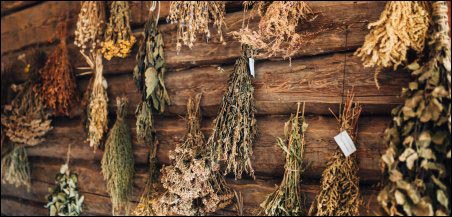
Foraged Remedies
If your birds free range, it is very likely they sample many of these herbs as they feel they need them. But if your flock is in an enclosed run, you will need to do the backyard herb shopping for them. Plant material not used right away can be easilly dried out and stored for later use.
Dandelion, Taraxacum Officinalis: Used for digestive troubles, detoxifying, protecting healthy liver and urinary tract function, and bolstering the immune system. Said to help with botulism. WARNING: Some people report contact dermatitis from the sap.
Goldenrod, Solidago spp.: Used for the urinary tract, kidneys, bronchial congestion, etc. Topically, it is used to stop bleeding and help heal wounds and burns. WARNING: Goldenrod can be a challenge to properly identify, as there are deadly look-alikes. Goldenrod is susceptible to powdery mildew. Inspect the leaves and do not use any infected material, as this is not healthy to consume for you or your chickens.
Plantain, Plantago Major: Used for wounds and sores, as well as the digestive system. Said to help with Marek’s disease and Coccidiosis. A favorite forage for my flock, particularly the seeds.
Stinging Nettle, Urtica Diotica: Used for inflammation, wounds, burns, and as a whole body tonic. Said to help with Marek’s Disease and Coccidiosis. WARNING: It can’t be understated that stinging nettle is true to its name, and is a real monster to harvest. You will want to wear long pants and sleeves in an area full of stinging nettle and wear some very protective gloves. Cooking them will remove the sting. Harvest the leaves before the flowers appear in order to utilize them safely.
Violets, Viola Sororia and Viola Odorata: The flowers are a favorite snack for my flock, but the leaves are also edible. Used for respiratory issues and pain. WARNING: The seeds are not edible. Some people get contact dermatitis from the leaves. There are poisonous look-alikes.
Yarrow, Achillea Millefolium: Known historically for its blood-clotting capabilities. Used for internal and external bleeding, swelling, fever, pain, anxiety, etc. WARNING: Eating too much yarrow could be harmful due to the blood-clotting effects. Not to be used before surgery. When overused externally, the affected skin can become sensitive to sunlight.
Slippery Elm, Ulmus rubra: The inner bark is regarded for its mucilage content. Used for digestive disorders, respiratory diseases, urinary tract infections, skin irritations, and impacted crop. WARNING: This one may be better off purchased ready for use for the sake of convenience and the risk that harvesting bark poses to the tree. If not done properly, the tree could be exposed to disease or be entirely cut off from its nutrition and die.
Gardened Remedies
Borage, Borago Officinalis: A favorite treat for my flock, they can eat the leaves, flowers, and stalks. Borage is rich in antioxidants. It is a calming herb that soothes the digestive system. WARNING: Not for those with liver problems. Harvest with care, as the fine hairs on the plant can cause contact dermatitis in some people.
Cabbage, Brassica Oleracea: Used to treat wounds, cancers, and intestinal ailments. Can be served to your flock cooked, raw, and chopped, or simply thrown whole into the run, where it will keep your flock entertained for hours to come.
Garlic, Allium Sativum: Garlic has antibiotic properties. Used for treating viral, bacterial, fungal and parasitic infections. A clove or two can be crushed and added to the flock’s water. Offer in moderation, as overdoing it could upset the balance of their digestive systems.
Oregano, Origanum Vulgare: Used to treat internal and external infections, and speed healing. It is often used to help keep the flock free of unwanted parasites by crumbling the dried herb in their feed. It may also discourage pests when spread throughout the coop bedding.
Sage, Salvia Officinalis: Excellent for general health. Sage has antibacterial qualities and alleviates pain, so it’s a good option as a compress for external wounds.
Marigold, Tagetes Tenuifolia and Tagetes Patula: Used for anti-oxidant and anti-inflammatory capabilities, to improve egg quality, and support the immune system. The petals can be sprinkled throughout the coop and run to help repel unwanted pests.
Pumpkin, Cucurbita Pepo: Used to support overall health and egg quality. Legend has it that the seeds act as a natural dewormer. Opinions differ if this is, in fact, true. Regardless, a healthy chicken is a most inhospitable host for parasites, so a nutritious pumpkin is a step in the right direction. Many homesteaders just slice a pumpkin in half and toss it into the run, but I find that my spoiled girls will just pick out the seeds and leave the rest to rot unless I roast it beforehand.
Impacted Crop Protocol
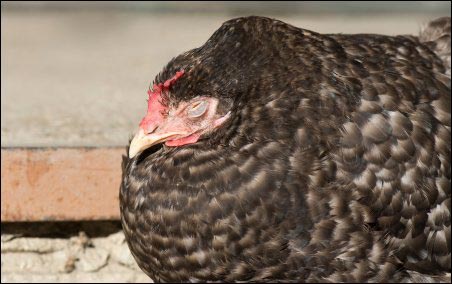
If a chicken’s crop remains full overnight and has become hard, it may be dealing with an impacted crop. I will bring that chicken indoors, withhold food for a day, but provide lots of water.
After that time has elapsed, I mix a small amount of powdered slippery elm inner bark in water to form the unmistakable slime. If the bird will not freely eat this, I add it to a small amount of yogurt. The birds generally eat this freely without any coaxing. This is accompanied by periodic, gentle crop massages.
Waterbelly Protocol
Waterbelly, also known as ascites, is a buildup of fluid in the chicken’s abdomen, characterized as a water balloon, often very taut. Many resources recommend draining the fluid with a syringe, though this advice comes in tandem with the warning that such a technique is a temporary fix and leaves the bird open to infection. You must make the decision that is best for your flock. Some situations may be dire enough to justify the risk.
For the situations that I encountered, I deemed draining it to be too risky and tried something else. I brought my hen indoors and did a combination of the following remedies when she exhibited waterbelly symptoms. She was successfully treated twice.
- High-water-content treats, like watermelon and cucumber.
- A tablespoon of apple cider vinegar diluted in a gallon of water.
- Abdominal massage from the bottom of the breast bone toward the vent.
- Epsom salt baths, preferably for at least ten minutes. Resources differ on the recommended amount of epsom salt, but when in doubt, a quantity of 1/4 cup per gallon errs on the conservative side. I also added medicinal herbs like stinging nettle for additional benefits.
- Special Slurry: This concoction is not an exact science, and may need to be adapted to the bird’s palette if they do not wish to eat it. If the chicken is reluctant, err on the side of less eyebright and brewer’s yeast, as these ingredients are quite bitter.
- 1/4 cup plain yogurt
- A pinch of powdered eyebright
- A pinch of brewer’s yeast
- A drop or two of garlic honey*
- Optional: a teaspoon of herbal tea, such as dandelion or yarrow
* Garlic honey is easily made at home. In a sterile jar, gather fresh, raw garlic cloves, and cover with raw, organic honey. Lid and let sit 30 days, opening the jar every day to let out the gases accumulated during the fermentation process. Remember to ensure that the garlic remains submerged in the honey throughout the process.

Final Thoughts
When illness in the flock disrupts your idyllic homesteading dreams, don’t panic. Keep a cool head, do your research, calmly address the problem with care and wisdom, but most of all, remember that you are doing well.
No matter what happens, remember that anyone as concerned as you are about the health of their flock is doing a great job, and your chickens are so lucky to have you.