


There’s an unspoken sense of gratification that lingers when we carry old seeds. They remind us of our accomplishments, blunders, and silly garden memories we’d otherwise forget.
While most gardeners store seeds “just in case”, as the years go by, we eventually ask ourselves whether it’s time to use them or lose them. But unfortunately, there isn’t much detailed information available on the seed aging process and how it truly affects planting.
This article covers seed lifespan, its effects on germination/growth, and how to make the most of your supply. If you’re unsure about whether to toss those old heirlooms into the garden or the compost bin, keep reading. The answer might surprise you!
How Long Do Seeds Last?
Seeds are alive; you could even compare them to people. Some are ready to spring out of bed every morning with a lively zest, and others want to cozy up and sleep in. What every living thing has in common, however, is an expiration date.
Ask Yourself Two Questions
Determining how long a seed variety has until it’s unviable generally depends on:
- How long have you had the seeds
- How you store them (experts recommend a dark, dry, cool place).
Once you answer those questions, you’ll have an idea of what you’re working with. But is it really that simple? A researcher in Israel certainly challenged what we know to be true about seed viability.
The Seed That Tested Time
Scientists are making efforts to successfully germinate seeds that are thousands (yes, thousands!) of years old. Notably, in the 1980’s, a seed was discovered deep in a cave excavated by Israeli archaeologists. The seed sat in Hebrew University’s Archaeology Department until 2010, when researcher Sarah Sallon received and planted it.
While this is an incredible fact, it does highlight a bit of a gray area regarding the true seed life cycle. Was the storage and preservation method used for this seed the reason why it germinated decades later? Realistically, we can’t all store our seeds in caves, can we?
There are countless methods seed savers use to preserve their collection. Some choose to keep them in the refrigerator, while others store them in a sealed bag or similar storage vessel. For example, strawberries germinate best through cold stratification. Because of this, many choose to just keep their seeds in the fridge until they’re ready for strawberry gardening. Every seed has different preferences; let’s talk more about them.
Preventing Seed Deterioration
We’ve touched on basic storage needs, but you should familiarize yourself with the specific requirements for your seeds. The more you know about each variety, the better you’ll care for your garden long-term. You might save some money, as well.
Avoid Mold & Mildew
Generally speaking, keep your seeds away from moist, warm, and sunny environments. Those three components create a breeding ground for mold and mildew, and once they’ve taken over, your seeds are done for. I suggest placing them inside labeled bags within a sealed (airtight) storage container. Then, put the container at the bottom of a closet or drawer for best results. You ideally want below 40% humidity.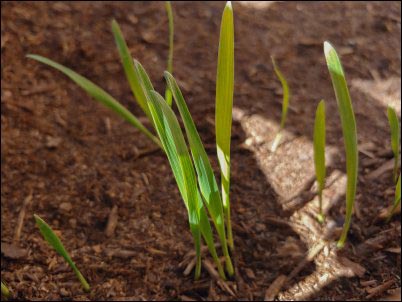
Seed Viability Charts
There are seed viability charts all over the internet. Charts are incredibly helpful if you’re coming up on a year or two with the same seed and want to make sure they’re still good. But remember, these charts are not the final determinant of seed life. If you have three-year-old onion seeds and a chart tells you they’ve gone bad, you don’t necessarily have to get rid of them yet.
Your next step would be a germination test. They’re easy to perform and will give you the germination rate by percentage. You can skip the percentage portion if you’re not big on math or don’t need it, though.
Easy Germination Test
Complete a germination test via the paper towel method in just five steps:
- Take up to 20 seeds and place them on a damp paper towel.
- Cover seeds with another layer of damp paper towel, keeping them nestled in between.
- Carefully slide the seeds and paper towels into a zip sandwich bag to prevent drying.
- Label bag with seed variety and date. Put in an area that matches the seed’s germination needs. Example: Basil prefers warm and sunny conditions. You’d likely put them in a bright windowsill.
- Each day, check to see if the seeds are germinating. Remove the moldy ones and count them as non-viable. To get your germination percentage, use Germination% = # of healthy seedlings / Total # of seeds) x100.
That’s it! You’ve cracked the germination code. And hopefully a few of those seeds cracked open, too. Now you’re ready to get the survivors into some soil. Will they be as strong and healthy as newer seed varieties?
Old Seeds = Weaker Plants?
Surprisingly, there isn’t much correlation between old seeds and less vigorous plants. You may experience slower germination, but if they have enough energy to sprout at all, they’ll usually grow just fine. You’re more likely to get a weaker plant from environmental stress or nutrient deficiency as opposed to seed age.
Tip: Don’t treat your old seed sprouts any differently than the others. They don’t need special growing conditions. Overdoing the TLC will have the opposite effect.

Uses for Old Seeds

Uses for Old Seeds
Now for some fun! There are numerous ways you and your family can enjoy seeds, regardless of their age. Here are my favorites:
- Crafts: Grab some glue, paper, dry beans/pasta, and the seeds. Make shapes and colorful pictures by gluing everything onto the paper.
- Chicken Feed: Got chickens? They’ll love your old seeds. Assuming they aren’t moldy, damp, or rancid, they’re generally safe to eat and a coop classic.
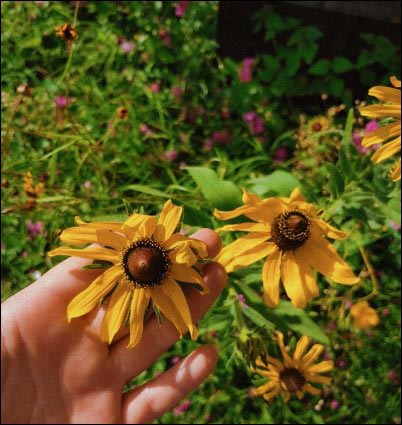
- Chaos Garden: Let’s say you have random seeds at the bottom of your storage container. (It happens to the best of us.) You probably don’t remember what plants they identify as. Make a chaos garden by throwing them in the soil, watering daily, and seeing what grows!
Are Your Seeds Ready for Planting?
Give it a shot! Sure, planting is serious, but… you can still get silly with it. Experimenting with aged seeds, given they’re not compromised, is an excellent way to learn in the garden. You could mess around and create something beautiful, like you.
Those seeds may be old, but they still have their charm. Give them a chance and see where it goes.